Star Periphery
Play Star Periphery
Star Periphery Screenshots



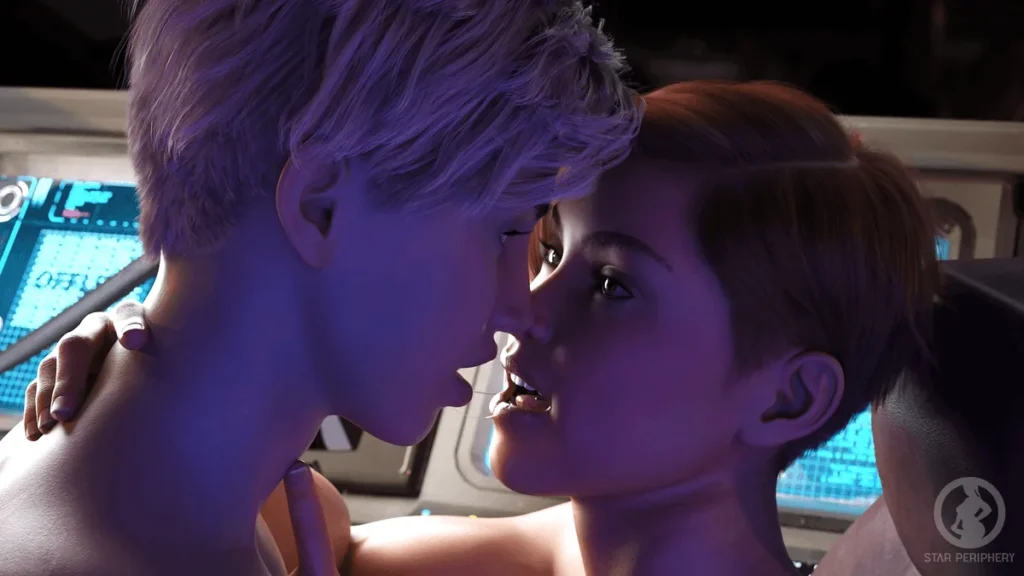

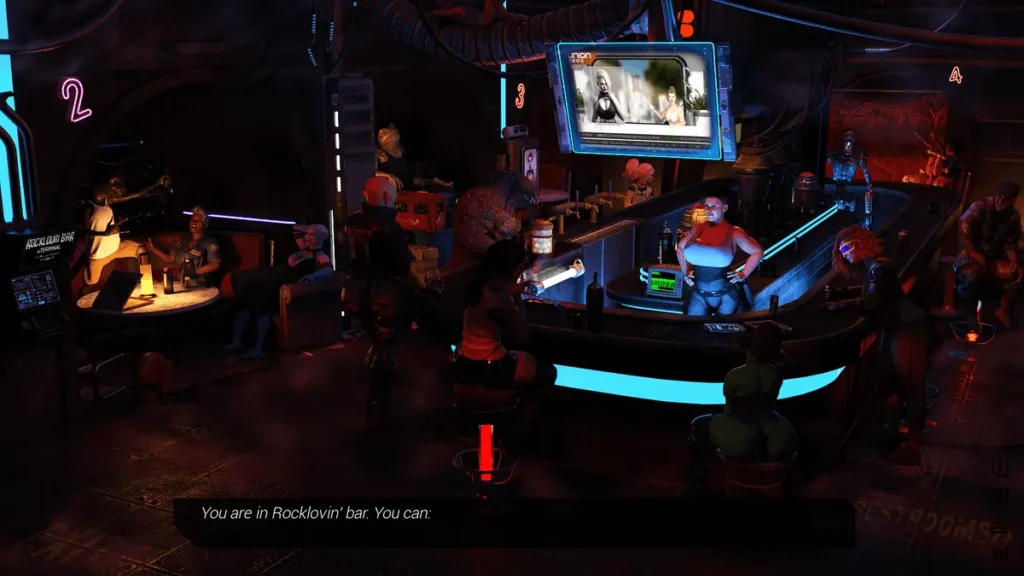
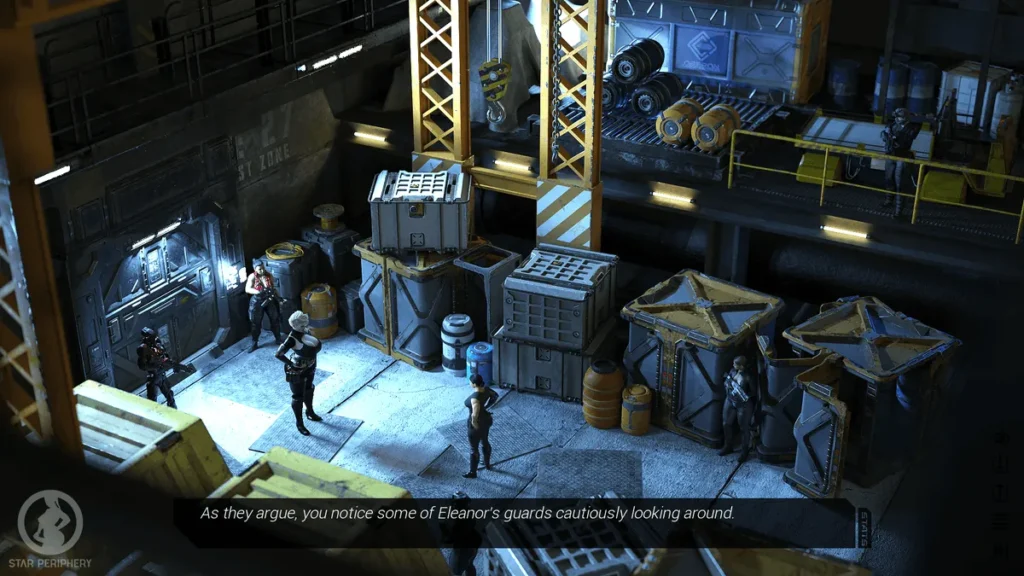
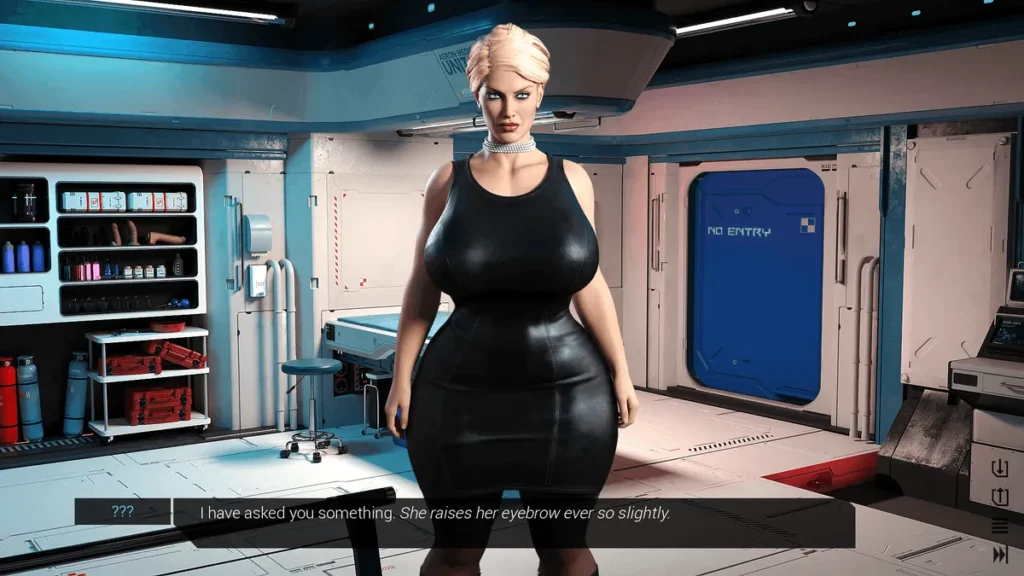

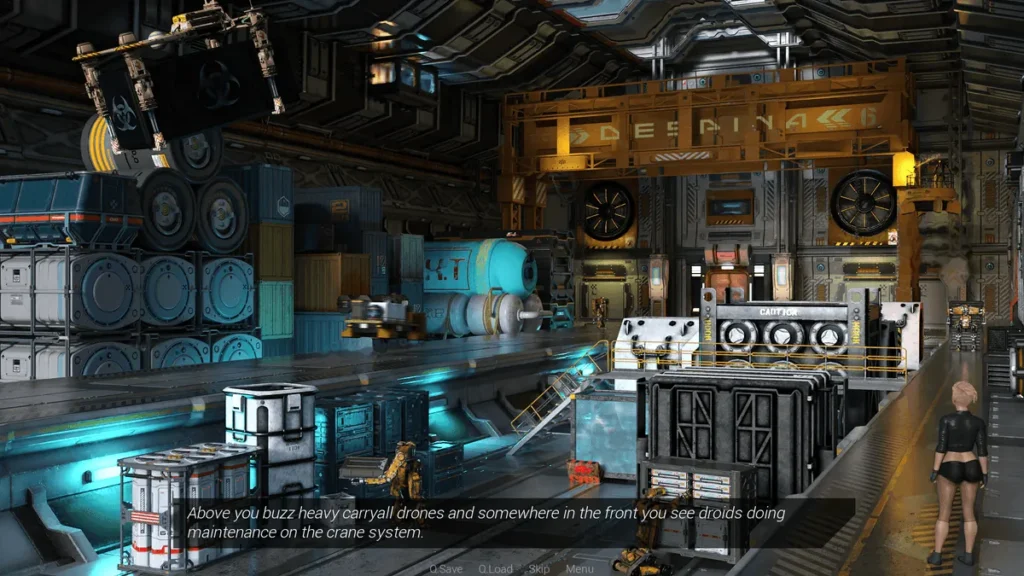
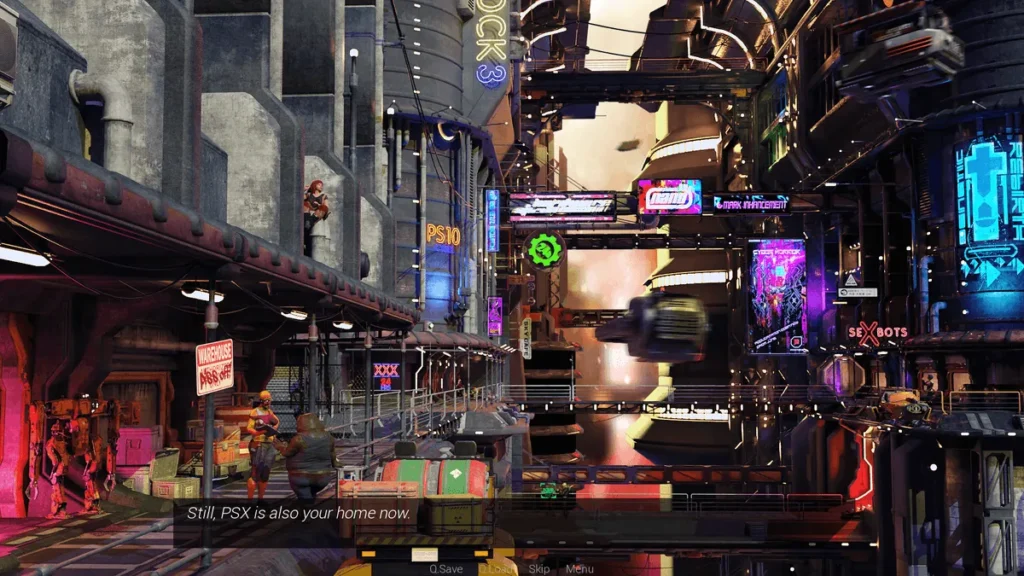
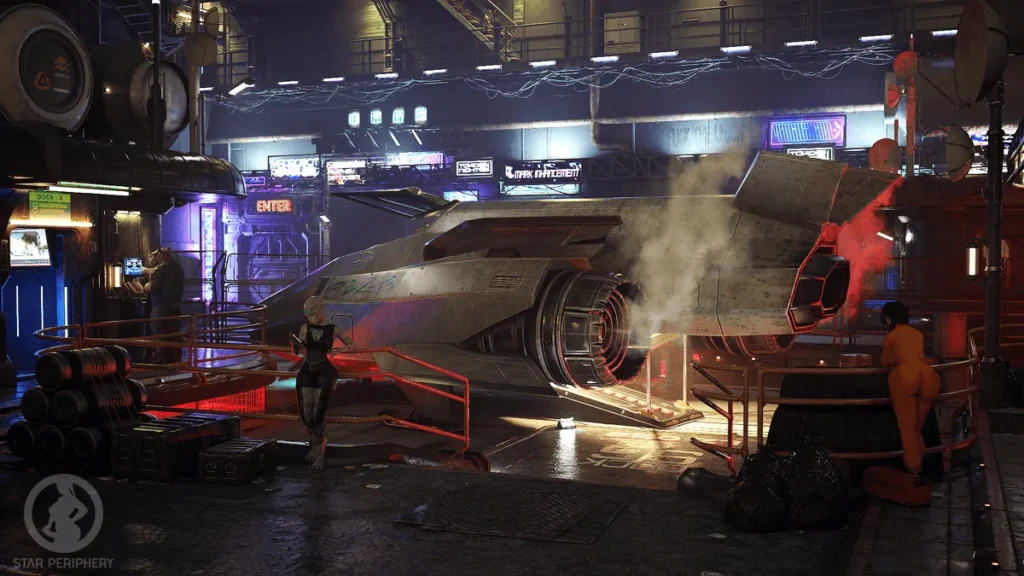
Star Periphery review
Exploring the world, systems, and appeal of Star Periphery
Star Periphery is a mature sci‑fi game that blends space strategy, character interaction, and narrative choices into a single experience. If you have seen the name pop up on forums or game hubs and wondered what makes Star Periphery stand out, this guide walks through its core ideas, systems, and overall feel from a player’s perspective. Drawing on hands‑on impressions and community chatter, we will look at how the game plays, what kind of stories it tells, and the type of audience it truly suits.
What Is Star Periphery and Who Is It For?
So you’ve heard the name Star Periphery floating around and you’re wondering what all the fuss is about. Is it just another space game? 🤔 Let me tell you, my first dive into this game was a genuine surprise. I booted it up expecting one thing and found something entirely richer, more complex, and deeply engrossing. This Star Periphery overview is here to pull back the curtain on this unique title and help you decide if it’s the right journey for you.
Core Concept: What Kind of Game Is Star Periphery?
At its heart, Star Periphery is a narrative-driven, system-rich experience set on the lawless fringe of inhabited space. Forget fast-paced dogfights or empire-building conquests as your primary goal. The core of this Star Periphery game is about managing people, resources, and consequences in a morally ambiguous sci-fi universe.
You take on the role of a key figure—perhaps a ship’s captain, a station overseer, or a fledgling faction leader—trying to carve out a existence in a remote sector. The basic premise involves navigating the delicate and often dangerous dynamics between competing factions, corporations, and independent crews. A significant portion of the gameplay revolves around the interpersonal relationships aboard your ship or station. Your crew has needs, personalities, conflicts, and loyalties that you must manage, and these dynamics directly influence your success and the story’s direction.
Think of it less as a “game” in the traditional action sense and more as an interactive sci-fi novel where you control the lead character’s decisions across strategy, role-playing, and management layers. Every choice, from how you allocate spare parts to how you speak to a disgruntled engineer, can ripple outwards, affecting your reputation, available options, and narrative branches. This is the essence of what Star Periphery aims to deliver: a mature, thoughtful simulation of life and power on the frontier.
Who Will Enjoy Star Periphery the Most?
This isn’t a game for everyone, and that’s perfectly okay. Knowing the Star Periphery audience upfront will save you time and set the right expectations. This title is crafted for a specific kind of player.
If you love games where you get lost in lore, where reading dialogue and logs is a pleasure, not a chore, you’ll feel right at home. The Star Periphery player guide for the ideal fan would highlight a love for complex systems that interconnect. You’re the type who enjoys figuring out how the economic system affects crew morale, which in turn impacts mission success rates.
The tone is unapologetically mature. It deals with adult themes, complex political maneuvering, and the gritty reality of survival in a cutthroat environment. It can be dark, provocative, and requires you to pay attention. If you’re looking for a power fantasy, you might be challenged. If you’re looking for a compelling, human story set against a stars-and-steel backdrop, you’ve hit the jackpot.
To sum it up, you’ll likely enjoy Star Periphery the most if you:
* Crave Deep Narrative: You view gameplay as a vehicle for story and character development. 🎭
* Enjoy Management & Strategy: You get a thrill from optimizing systems, managing finite resources, and solving logistical puzzles. ⚙️
* Appreciate Mature Themes: You want a sci-fi setting that deals with nuanced, adult situations beyond black-and-white morality. 🌑
* Prefer Choice & Consequence: Your favorite moments in games are seeing how your decisions, big and small, genuinely shape the world and relationships.
This Star Periphery game is a slow-burn investment. It rewards patience, attention to detail, and a willingness to engage with its world on a thoughtful level.
First‑Time Player Expectations and Learning Curve
Your Star Periphery first impressions will be crucial. Walking in with the right mindset is half the battle. Let’s set those expectations clearly.
Your First Hour: Be prepared to read. A lot. 📚 You’ll be introduced to your situation, your immediate crew, and the pressing issues of your corner of the periphery. You’ll spend time in menus getting to know your resource grids, crew manifests, and relationship panels. My personal “aha!” moment came about 90 minutes in, when a simple choice I made during a crew dispute earlier came back to help me in an unexpected negotiation. The game had been quietly tracking my actions, and that’s when I realized its depth.
The pacing is deliberate. This isn’t an arcade experience. It’s a strategic narrative sim. You will fail, you will misunderstand relationships, and you will mismanage resources. That’s part of the learning process and the story. The game doesn’t hold your hand, but it provides all the information you need if you’re willing to look for it.
To help you get started, here are some crucial Star Periphery beginner tips I wish I’d known:
| Tip Category | Actionable Advice |
|---|---|
| Pacing & Mindset | Don’t rush. Treat your first session like settling in with a good book. Read the dialogue and station logs; they contain vital clues and context. |
| Resource Management | Check your core supplies (power, air, food) often. A sudden shortage can trigger a cascade of problems. Always have a buffer. |
| Crew Relations | Open the crew panel regularly. Notice tensions and positive relationships. A happy, cohesive crew is your most valuable asset. |
| Decision Making | There are rarely “perfect” choices. Save before major decisions if you want, but consider living with the consequences for a more authentic experience. |
| Learning the Systems | Use the first few cycles (in-game days) to experiment. Try different dialogue options with your crew and see how the relationship scores fluctuate. |
The learning curve is steep but fair. The initial complexity can feel overwhelming, but the interface is designed logically. Focus on one system at a time: first, keep the lights on. Then, keep your crew from revolting. Then, start looking at broader faction goals. 🧗♂️
Pro Tip from a Learned Lesson: In my first playthrough, I ignored a crew member’s personal request to focus on a “more important” faction mission. That damaged their loyalty, which later led to a critical system failure during a crisis because they neglected their duties. Every person, and every choice, has weight.
Ultimately, what is Star Periphery offering you? It’s offering a deeply immersive, adult sci-fi experience where you are the author of your own frontier saga. It’s for players who want their games to challenge them intellectually and emotionally, not just reflexively. If the idea of weaving together strategy, personal drama, and galactic politics sounds captivating, then this Star Periphery overview is your invitation to a truly unique corner of the gaming universe. ✨
Your Star Periphery Quick-Fire FAQ
Is Star Periphery story-driven?
Absolutely, yes. The narrative is the central pillar of the experience. All the management and strategic systems exist to support and be influenced by the unfolding story and your choices within it.
Can you play Star Periphery casually?
It depends on your definition of “casual.” You can’t really play it in short, distracted bursts. However, you can absolutely play it at your own pace, savoring one story beat or management cycle at a time. It requires engagement, but not necessarily lightning-fast reflexes.
What’s the biggest mistake a new player makes?
Trying to do everything perfectly and “win” right away. Star Periphery is about the journey and the unique story that emerges from your successes and failures. Embrace the messy process of learning its world.
Is there combat?
While conflict is a constant theme, it is often resolved through dialogue, strategy, resource management, and faction reputation. Direct, tactical combat is not the primary focus of the core gameplay loop.
Star Periphery takes the familiar idea of a sci‑fi frontier and layers it with slow‑burn storytelling, intricate systems, and deliberately mature interactions. It is not a game you rush through; it is one you settle into, learning how its crew dynamics, choices, and space management challenges fit together over time. If you enjoy narrative‑heavy strategy with an adult edge and you are willing to read, experiment, and live with the consequences of your decisions, Star Periphery rewards that investment. The best way to know if its mix works for you is to dive in, start a run, and see how your own choices shape life on the periphery.