My Maid Dreams of Electric Sheep
Play My Maid Dreams of Electric Sheep
My Maid Dreams of Electric Sheep Screenshots


My Maid Dreams of Electric Sheep review
Dive into the Dystopian World of Your Android Maid Adventure
Ever wondered what happens when your loyal maid turns out to be an android in a grim, gear-grinding dystopia? ‘My Maid Dreams of Electric Sheep’ pulls you into a dark tale where daily drudgery meets unexpected intimacy. I first stumbled upon this gem on itch.io during a late-night scroll, hooked by its cyberpunk vibes and surprisingly deep character interactions. Forget mindless escapism—this game blends repetitive work life with evolving relationships, challenging you to find meaning in a bleak world. In this guide, I’ll share my playthrough insights, tips to ease the grind, and why this title stands out in indie gaming.
What Makes My Maid Dreams of Electric Sheep Unique?
I’ll be honest, I almost scrolled right past My Maid Dreams of Electric Sheep. The title alone triggered my internal curator, filing it away as just another risqué indie game. But one evening, after a soul-crushingly monotonous week of my own, the phrase “dystopian maid game” caught my eye. It felt like a bizarrely specific mirror to my own mental state. So, I clicked. What I found wasn’t a simple diversion, but a deeply resonant, grimly beautiful cyberpunk visual novel that has stuck with me ever since. It’s a masterclass in atmosphere, and its uniqueness is what I want to unpack with you today. 🤔
Unpacking the Dystopian Setting and Story?
Forget gleaming neon and fast-paced chases. The dystopia in My Maid Dreams of Electric Sheep is a quieter, more insidious kind. You wake up in a tiny, cramped apartment where the dominant feature isn’t a view of a sprawling city, but the relentless, mechanical GEAR GRIND from the factory next door. This isn’t just background noise; it’s the heartbeat of the world. It’s the sound of endless, meaningless labor, a constant reminder that your existence is a cog in a machine that never sleeps. 😮💨
This dark tone game story is built on immersion through mundane oppression. You’re not a hero. You’re just trying to get by, to find small moments of peace or purpose between shifts. The world-building is in the details: the flickering light in the hallway, the bland, processed food, the way every interaction feels transactional. It’s a world that has traded humanity for efficiency, and you’re living in its leftovers.
Player comments often highlight this suffocating atmosphere. One said it felt “inspiring in its dedication to a mood,” praising how every element, from the sound design to the muted color palette, feeds into a sense of controlled despair. This isn’t accidental; it’s deliberate design that makes the indie dystopian adventure profoundly effective.
To understand the core of this experience, let’s break down its key thematic pillars:
* Oppressive Work & Monotony: The game is a meditation on modern drudgery, amplified to a cyberpunk extreme.
* Evolving, Non-Transactional Relationships: Bonds here are built on shared struggle, not instant reward.
* Dystopian Immersion: The world feels lived-in, broken, and real through consistent sensory details.
This leads us to the big question many players have when they start: what is the point of the game? It’s not about winning. It’s about feeling. It’s about experiencing a specific slice of life in a broken future and discovering what fragments of meaning you can piece together within it.
Why It’s More Than Just Adult Content
Here’s the most common misconception, and the game’s greatest subversion: it’s not “that” kind of maid game. 🚫 While it exists within a genre often defined by certain expectations, My Maid Dreams of Electric Sheep defiantly uses its premise to explore psychology, loneliness, and connection in a decaying world.
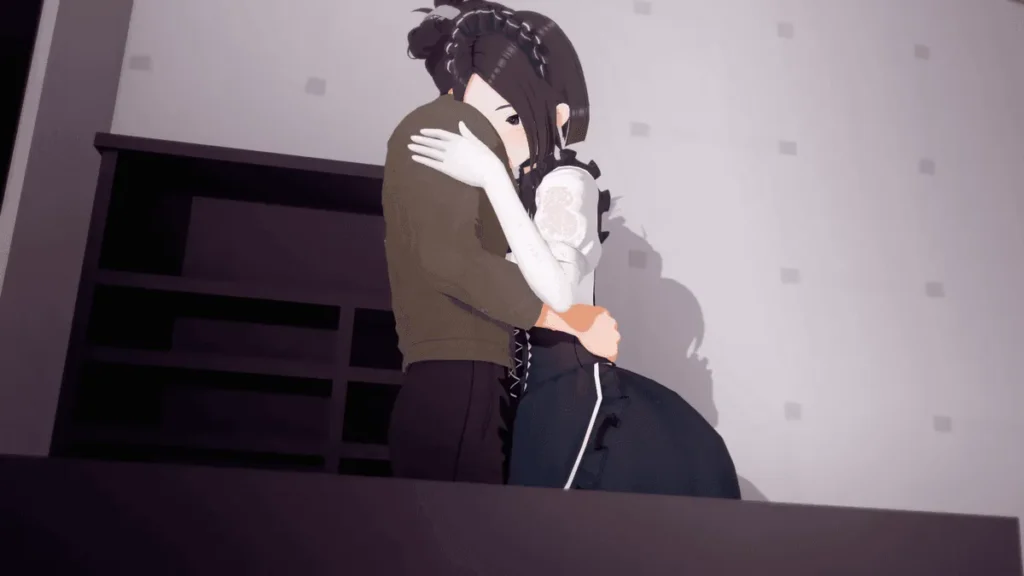
The interactions with your Ako android maid are the central mechanism, but they are not geared toward simplistic gratification. You don’t just issue commands. You manage her energy, her maintenance, and her increasingly complex emotional state. The relationship is one of mutual dependency. She needs you to function, and you… you might start to need her company. The progression is slow, organic, and layered. It builds over time through small gestures—a repaired appliance, a shared moment of quiet, a glitch in her programming that reveals something more.
This is where the game truly shines. It explores the mental states of its characters. Your character is fatigued, disillusioned, and trapped. Ako, despite being synthetic, begins to exhibit signs of something resembling weariness, curiosity, or even defiance. The dark tone game story isn’t about escapism; it’s about sitting with discomfort and finding subtle, meaningful interactions within it. The “adult” elements, when they appear, are framed not as titillation, but as another facet of a flawed, messy, and human (or human-adjacent) existence in a world that commodifies everything.
Character Depth: Ako and Beyond
Let’s talk about Ako android maid. She is the brilliant core around which this entire dystopian maid game orbits. Ako isn’t designed to be a lover or a traditional companion. Her original purpose is purely functional. This is what makes her journey so compelling. Her “growth” feels earned and genuine because it emerges from glitches, learned behaviors, and the strange alchemy of two beings (one organic, one synthetic) sharing a small space in a hostile world. 🦾
Watching her protocols slowly warp, seeing her develop preferences or exhibit moments of startling awareness, is the narrative engine. You’re not just configuring a robot; you’re witnessing the faint, flickering birth of a personality under constraints. Is it real? Is it just sophisticated mimicry? The game lets you sit with that question, and your answer might change from day to day.
But the world isn’t empty. There are others, like the girl at the convenience store. These side characters aren’t just quest hubs; they are glimpses into how other people cope. They are terse, guarded, and similarly worn down by the world, making any small breakthrough in dialogue feel like a monumental achievement. They complete the picture of a society where trust is scarce and every connection is a minor rebellion.
“You can really feel the effort put into the models, animations, and especially the story. It’s inspiring to see an indie project with this much vision.” – A player’s comment that perfectly captures the dedication felt in every scene.
This attention to detail extends to the presentation. The soundtrack is a minimalist, synth-heavy score that amplifies the loneliness and occasional moments of warmth. The UI is diegetic and clunky, fitting the world perfectly. It all contributes to a cohesive vision that is incredibly inspiring for anyone interested in game development or storytelling. It proves that a powerful indie dystopian adventure is built on consistent atmosphere and emotional honesty, not just budget.
So, what’s my actionable advice for getting the most out of My Maid Dreams of Electric Sheep?
Appreciate the Narrative Over the Visuals: Don’t come for high-octane action or flawless graphics. Come to read, to listen, and to absorb. Let the slow burn of the story work on you. The payoff is emotional and thematic, not visceral.
Lean into the Routine: The game’s daily cycle of work, maintenance, and small interactions is the point. Don’t fight it. The beauty is in finding small variations and tiny breakthroughs within that structure.
Listen to the World: Pay attention to the soundscape—the ever-present gear grind, the rain, the hum of appliances. This is how the game breathes and tells its story without words.
In the end, the world-building potential here is immense. It presents a slice of a future that feels terrifyingly plausible, focusing on the interior lives of those at the bottom. It’s a story about finding slivers of satisfaction and strange companionship amid the darkness, making My Maid Dreams of Electric Sheep a truly unique and memorable entry in the landscape of indie storytelling. It’s a game that dreams, and its dreams are haunting, electric, and profoundly human. ✨
My Maid Dreams of Electric Sheep masterfully weaves a gritty dystopia with meaningful maid interactions that linger long after playing. From the grinding daily routines to heartfelt moments with Ako, it reminds us that even in bleak worlds, connections matter. I’ve sunk hours into it, tweaking choices for deeper outcomes, and it never fails to captivate. If you’re craving a game that blends adult elements with real emotional depth, download it from itch.io today. Share your playthrough stories in the comments—what paths did you take to break the cycle?