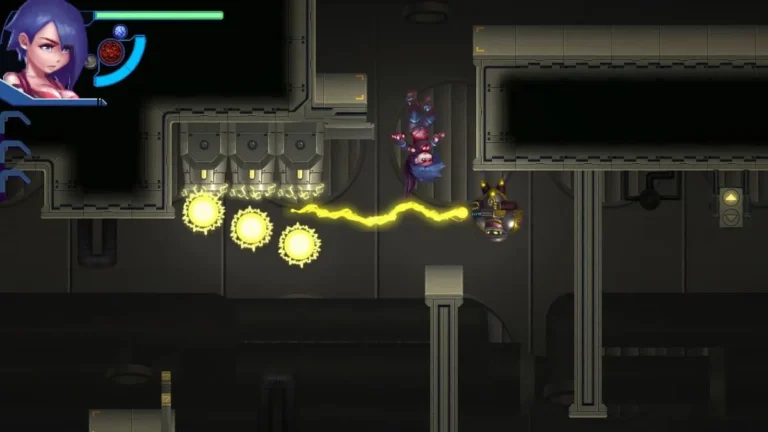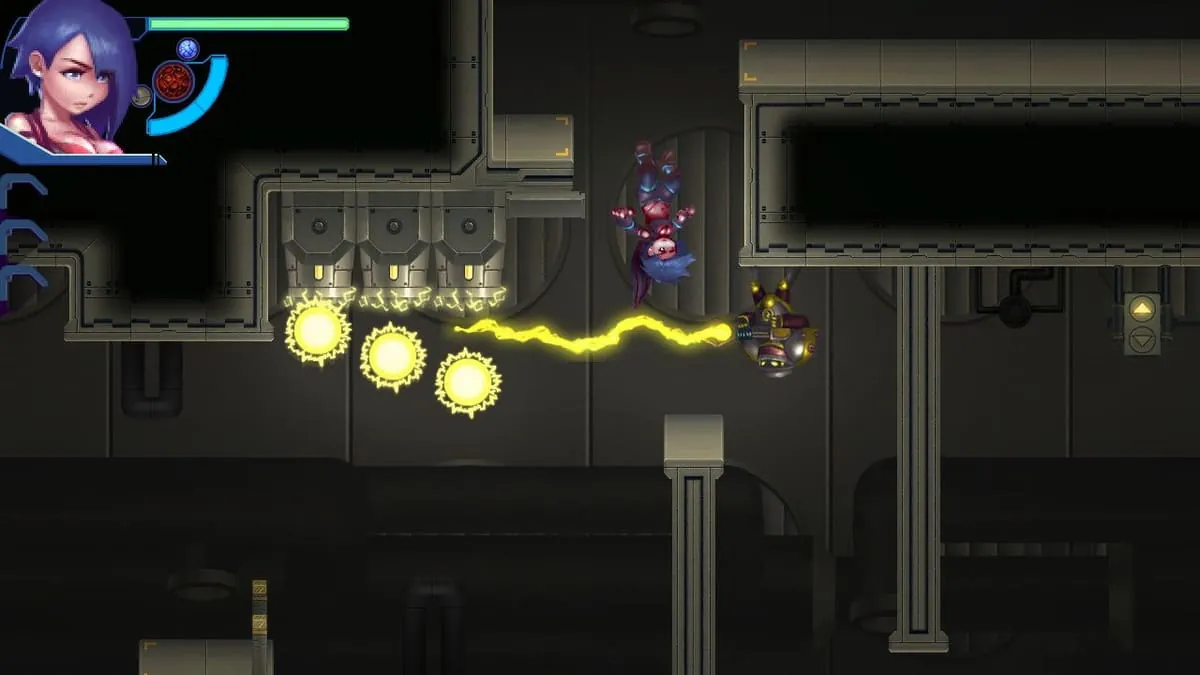
Future Fragments Screenshots
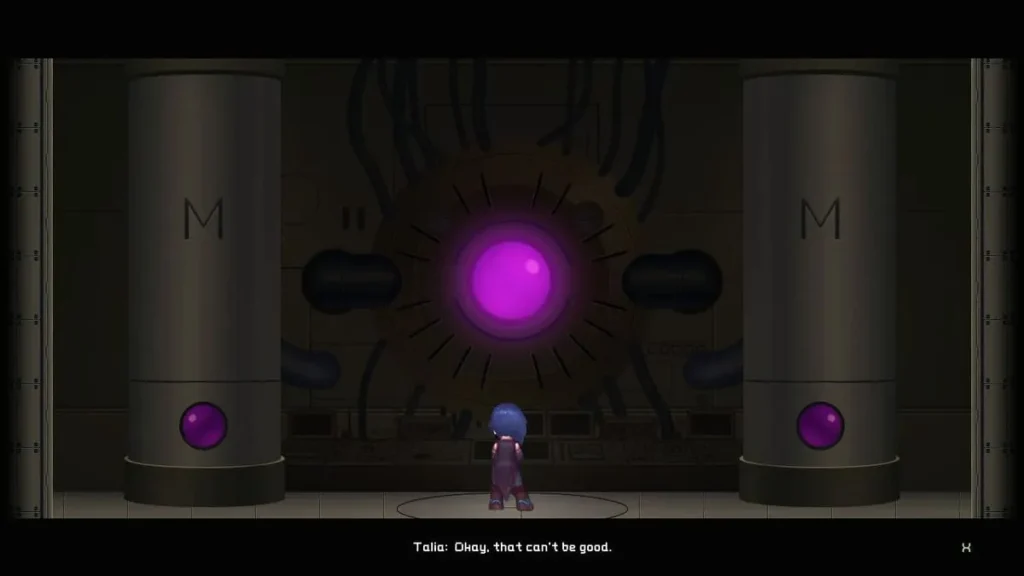
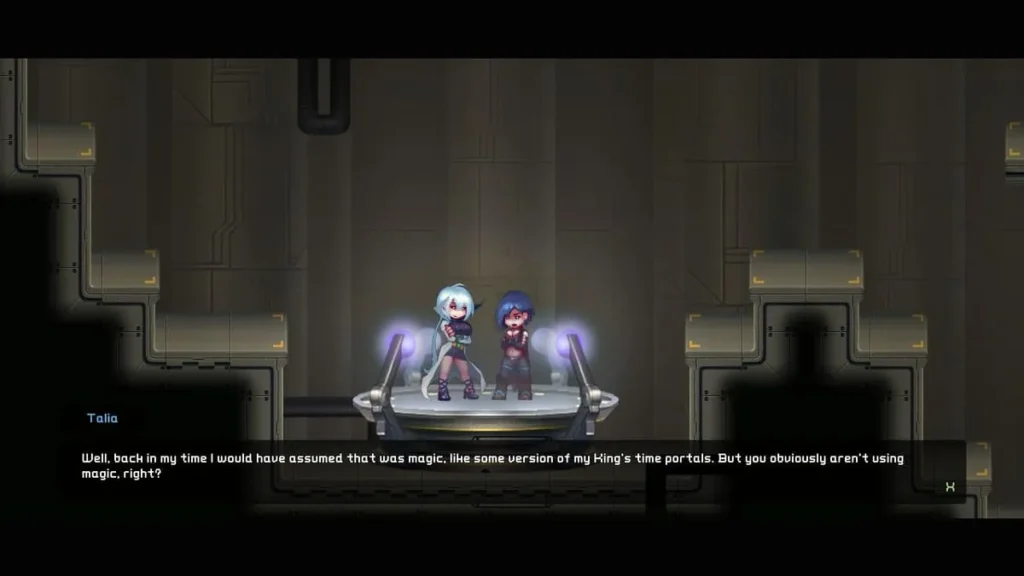
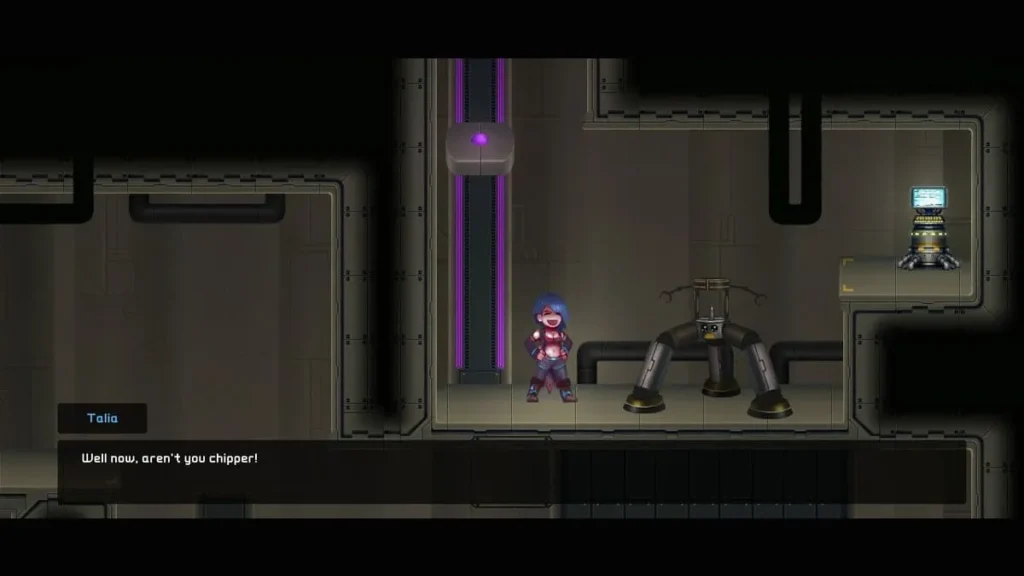
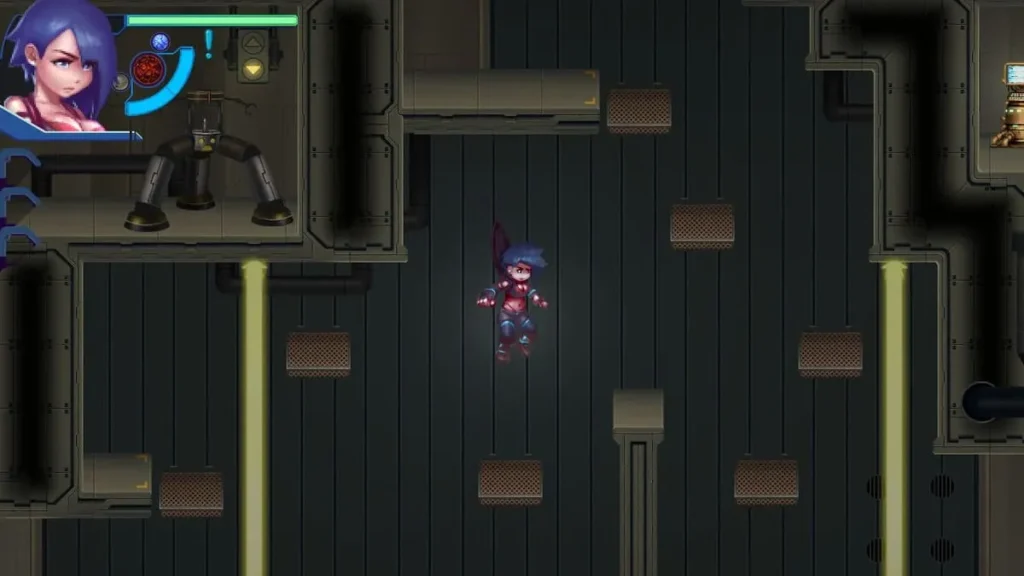
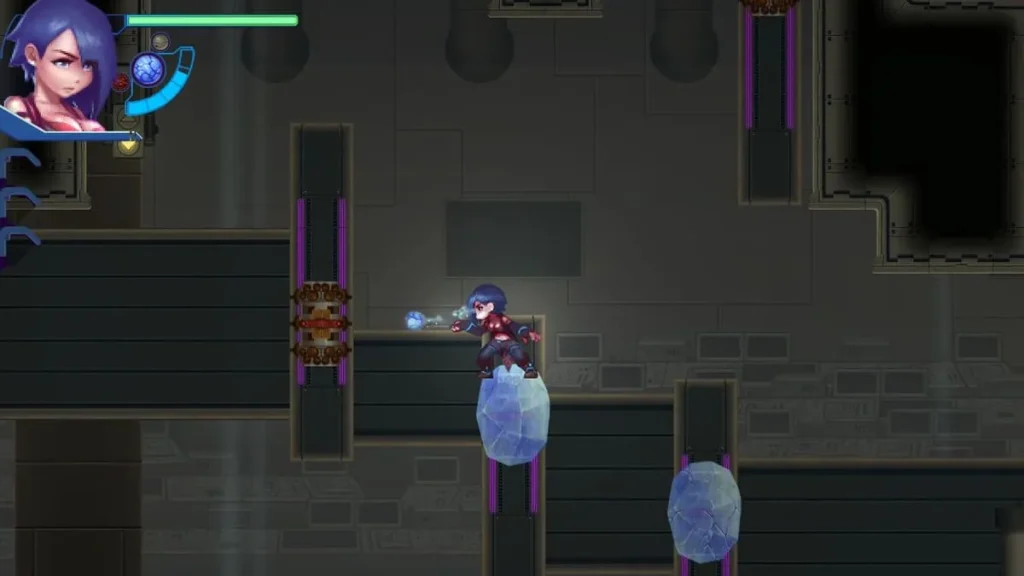
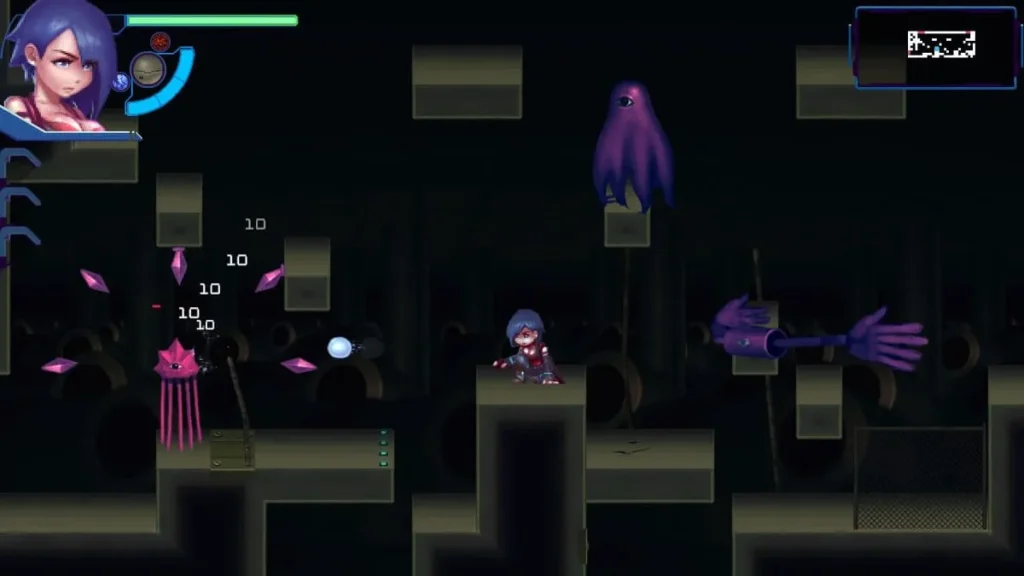
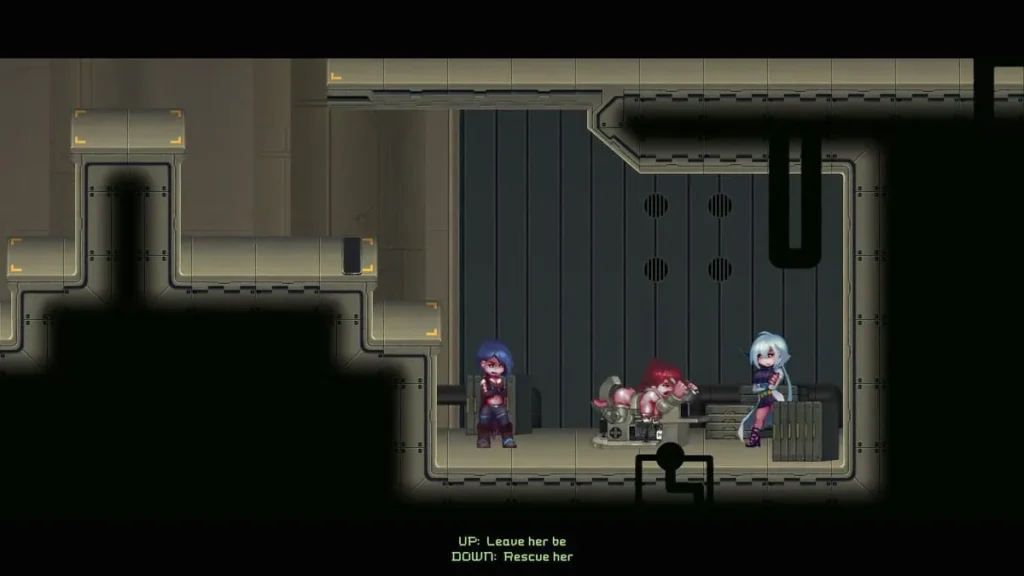
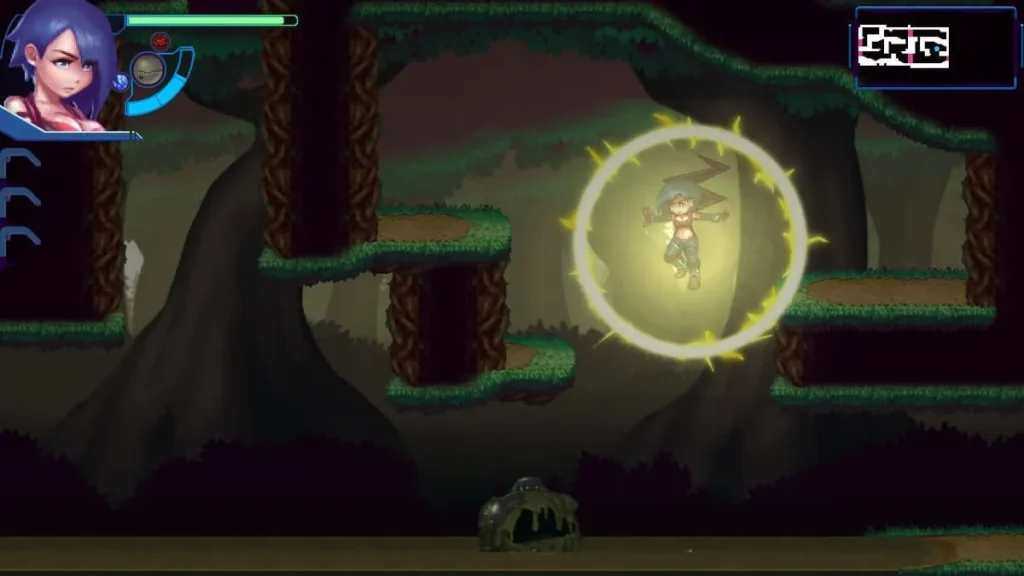
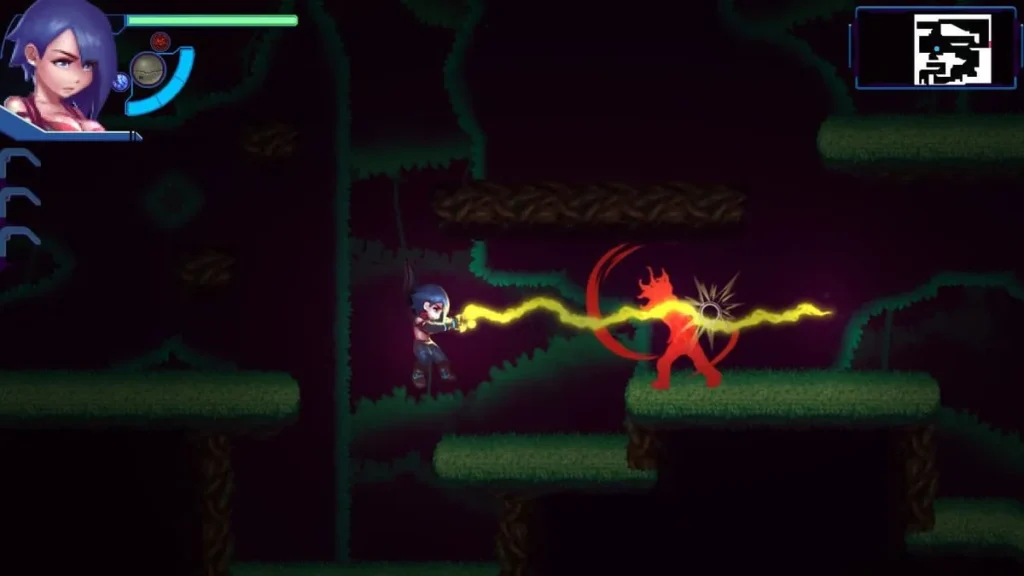
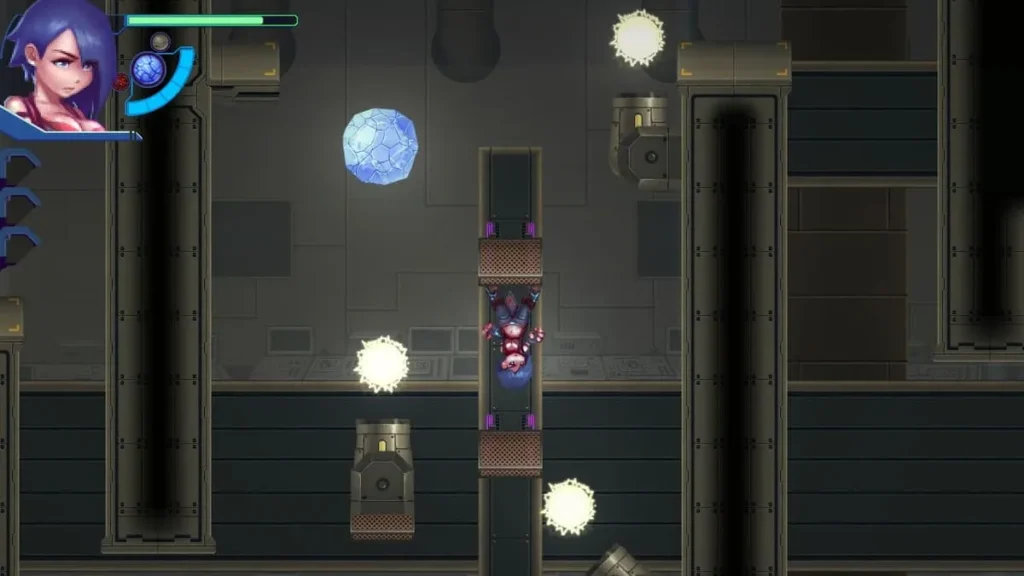
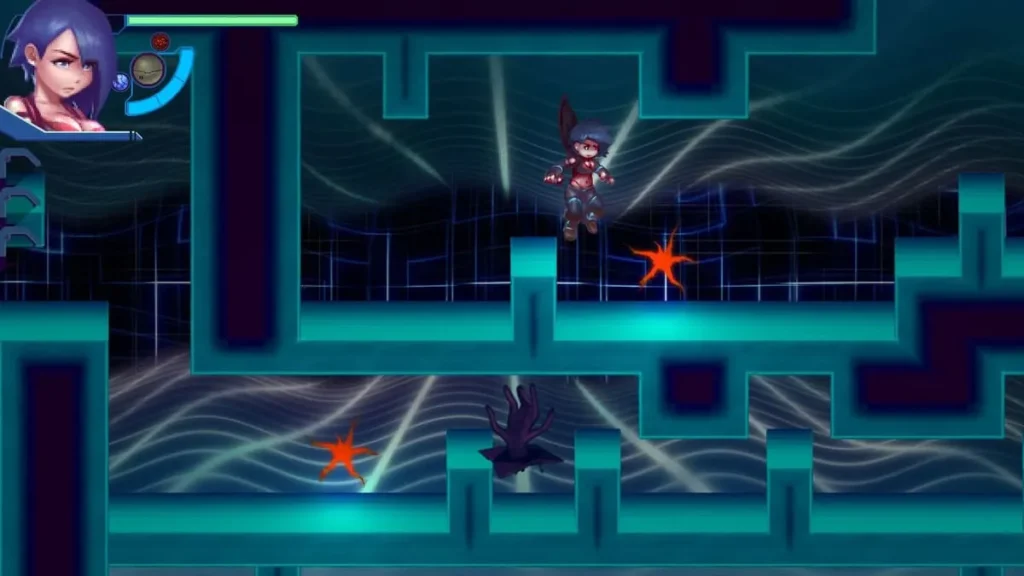
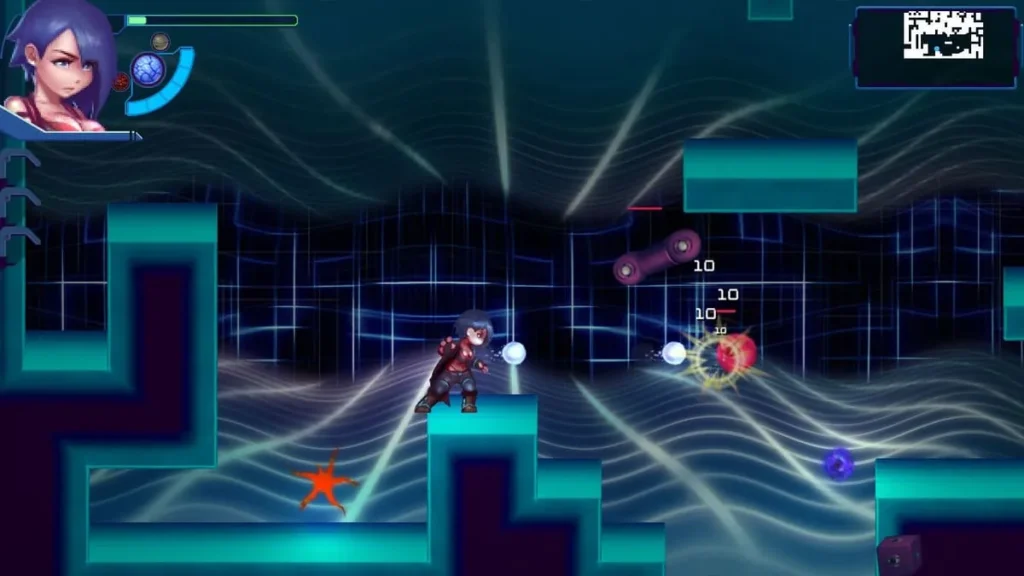
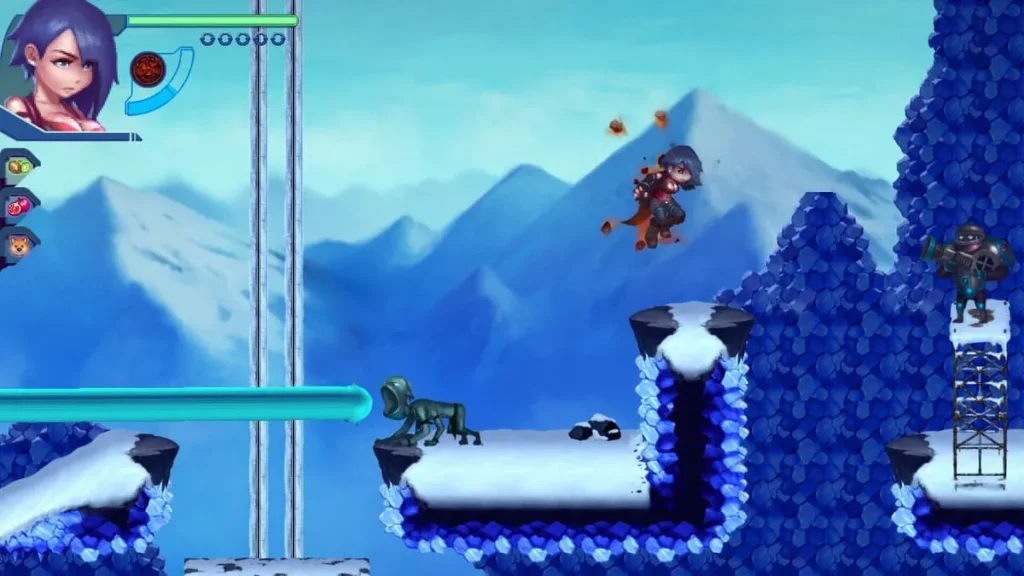
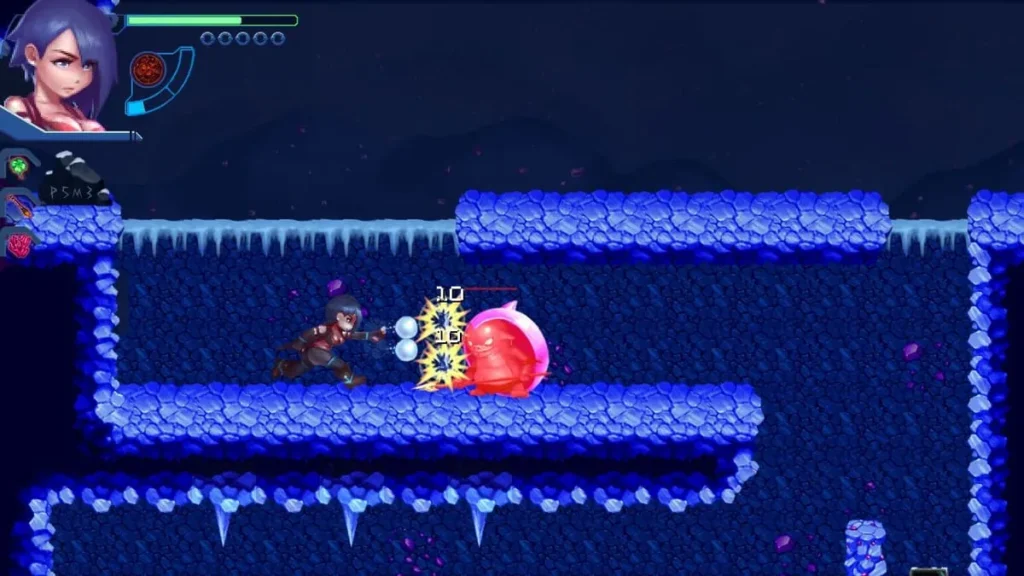
Future Fragments review
An in-depth, practical walkthrough and analysis of Future Fragments
Future Fragments is a narrative-driven adult interactive game that blends branching storylines, character progression, and collectible scenes in a sci-fi setting, and this article dives into everything players want to know about it. In this piece I’ll share hands-on impressions, practical tips, and a clear walkthrough approach to help both new and returning players navigate Future Fragments efficiently. Expect personal anecdotes about discovery paths, recommended strategies for unlocking endings, and guidance on installation and community engagement.
Getting Started with Future Fragments
Alright, time traveler, strap in. You’ve heard the buzz, seen the fragments of potential, and now you’re ready to dive into the fractured world of Future Fragments. That initial spark of excitement when you get a new game is pure magic, but let’s be honest—sometimes the “getting started” part can be a chore. 🛠️ My first time, I was so eager I almost skipped reading the patch notes (a mistake I regretted later when I missed a key control change!).
This guide is here to channel that excitement directly into action. We’re going to walk through everything you need to go from a curious onlooker to an active agent within your first hour in the game. Consider this your friendly, non-linear launch manual. Let’s get you set up.
How to obtain and install Future Fragments
The very first step in your journey is, of course, securing your copy of the game. The only official and legal way to obtain a Future Fragments download is through approved digital storefronts. The primary hub is Steam, which offers the most seamless integration for updates and community features. You can also find it on Itch.io, which is a fantastic platform for supporting developers more directly. Always ensure you’re purchasing from these official store pages to guarantee you get the authentic, latest version and support the team who built this incredible experience.
Once you’ve completed your purchase, the Future Fragments installation process is typically straightforward. Here’s the common flow:
- On Steam: The game will appear in your library. Click ‘Install’, choose your preferred drive (make sure you have space!), and let Steam handle the rest. It will automatically create necessary shortcuts and registry entries.
- On Itch.io: After purchase, download the installer or the game archive from your library page. If it’s an installer (.exe), run it and follow the on-screen prompts. If it’s a ZIP file, extract it to a folder of your choice (e.g.,
C:\Games\FutureFragments). Creating a dedicated folder is cleaner than dumping files on your desktop. 📁
Pro Tip: During installation, especially from Itch.io or if you have strict security settings, Windows Defender or your antivirus might pop up a warning. This is a standard “SmartScreen” check for applications from the web. You can safely allow it to run. The developer’s code is signed, but these prompts are common for smaller-distribution titles.
A crucial step many skip is reading the patch notes or the included readme.txt file. I learned this the hard way! This document often contains last-minute compatibility fixes, control schemes, or notes on optional content packs. Taking two minutes here can save you an hour of forum-searching later.
The moment the installation finishes and you see that desktop icon, the real anticipation begins. I remember double-clicking for the first time, hearing the distinctive menu theme shimmer to life—a blend of synthwave and something eerily organic. That’s when the game’s unique tone first clicked for me. You’re not just booting a program; you’re activating a portal.
Minimum requirements and compatibility tips
Before you jump in, let’s ensure your system is ready for the temporal shifts and visual effects. Checking the Future Fragments system requirements isn’t just a formality; it’s the key to a smooth experience. Here’s a breakdown of what you’ll need:
| Component | Minimum Specs | Recommended Specs |
|---|---|---|
| OS | Windows 10 (64-bit) | Windows 10/11 (64-bit) |
| Processor | Intel Core i5-2500K / AMD FX-4350 | Intel Core i7-4770K / AMD Ryzen 5 1500X |
| Memory | 8 GB RAM | 16 GB RAM |
| Graphics | NVIDIA GeForce GTX 660 / AMD Radeon HD 7850 | NVIDIA GeForce GTX 1060 / AMD Radeon RX 580 |
| DirectX | Version 11 | Version 12 |
| Storage | 5 GB available space (SSD recommended) | 5 GB available space on an SSD |
🎮 Future Fragments compatibility is generally excellent on modern Windows systems, but players on lower-end machines or unique setups need some strategy. If your rig is hovering around the minimum specs, don’t worry—you can still have a great time. Focus on these in-game settings first:
- Resolution & Scaling: Start at 1080p or even 900p. Use the in-game resolution scaler (if available) before lowering the native resolution.
- Shadows & Lighting: These are often the most demanding effects. Dropping shadow quality or range can grant significant performance boosts.
- Post-Processing: Temporarily disable effects like Bloom, Depth of Field, or Motion Blur. You can always turn them back on later to see their impact.
For players experiencing crashes or instability on otherwise capable systems, the most common fix is updating your graphics drivers. It’s the classic IT advice for a reason—it works! Also, if you’re running software like RivaTuner Statistics Server (often bundled with MSI Afterburner), try temporarily disabling it, as it can sometimes interfere with game launchers.
A final note on storage: While an HDD is listed as possible, installing on an SSD is a game-changer (pun intended). Load times between zones are drastically reduced, keeping you immersed in the narrative flow. If you have the option, use the SSD.
First-hour checklist: what to do after launch
You’ve installed it, your system is prepped, and now you’re staring at the “Play” button. This is where the fun begins. This Future Fragments first hour tips checklist is designed to optimize your initial foray into the game, helping you avoid early pitfalls and tailor the experience to your liking. Here’s your step-by-step plan:
- Launch & Launcher: Run the game. You may see a launcher window. This is your first control panel. Check for any “Graphics API” options (DirectX 11 vs. 12). If you’re on an older GPU, stick with DX11 for stability. Modern GPUs can use DX12 for potential gains.
- Create a Save Slot: Once in the main menu, head to ‘Save/Load’ immediately. Create a new, named save slot. Future Fragments can have multiple branching paths, so good save management from the start is a lifesaver. I use slots for “Major Decisions” personally.
- Visit the Options Menu: This is the most important step for comfort. Let’s break it down:
- Audio: Adjust the master, music, and SFX sliders. The soundtrack is a character itself, so find a balance that lets you hear environmental cues.
- Gameplay: Look for accessibility or content options here. The game may offer modes to tailor the intensity of certain scenes. Set these to your preference without spoilers. Also, set your autosave frequency—I recommend frequent autosaves in a new game.
- Controls: Even if you use default, give them a glance. Remap anything that feels unnatural immediately. Check for any “hold” vs. “toggle” options for key abilities.
- Text & Language: If there are dialogue logs or codex entries, you can often adjust text speed. Crank it up if you’re a fast reader!
- Start a New Game & Watch the Intro: Don’t skip it! The opening cinematic and initial dialogue establish the core conflict, the world’s rules, and your character’s motivation. Let yourself be drawn in.
- The First Interactive Moments: The game will gently tutorialize mechanics. Pay attention, even to basic movement and interaction prompts. The unique mechanics of fragment collection and manipulation will be introduced here—this is the core of how to play Future Fragments.
- Experiment and Save: In the first safe area, test your controls, jump around, and interact with non-essential objects. Get a feel for the character’s responsiveness. Then, make a manual save in a new slot before any major obvious story choice.
🚨 Troubleshooting First-Run Issues: If the game crashes on launch, a common fix is to install the latest Visual C++ Redistributables (often included in the game folder in a _redist or _commonredist folder). Run those installers. If you’re using mods from a previous version (though unlikely in your first hour), remove them, as they can cause conflicts. Always verify game file integrity through Steam or re-download from Itch.io if files seem corrupt.
Your Future Fragments download is complete, the Future Fragments installation is successful, and you’ve configured everything for your comfort. You’ve moved beyond requirements and compatibility checks. The opening title has faded, and the world is waiting. The fragments of the future are scattered, and how you gather them—the choices you make, the paths you prioritize—is now entirely up to you. The dive begins now. Good luck.
Future Fragments offers a layered experience: a narrative core with branching choices, progression systems that reward deliberate planning, and presentation choices that enhance immersion. Throughout this guide I’ve shared hands-on setup steps, story-aware play strategies, efficiency tips for progression, presentation tweaks, and how to find and use community resources safely. If you’re just starting, follow the first-hour checklist and create multiple save slots; if you’re mid-game, use the efficiency actions to prioritize unlocks. Try one focused playthrough to experience the story, then experiment with targeted choices to collect alternate scenes. If you found this useful, save the checklist and share your favorite path in the community to help others.