Boat
Play Boat
Boat Screenshots
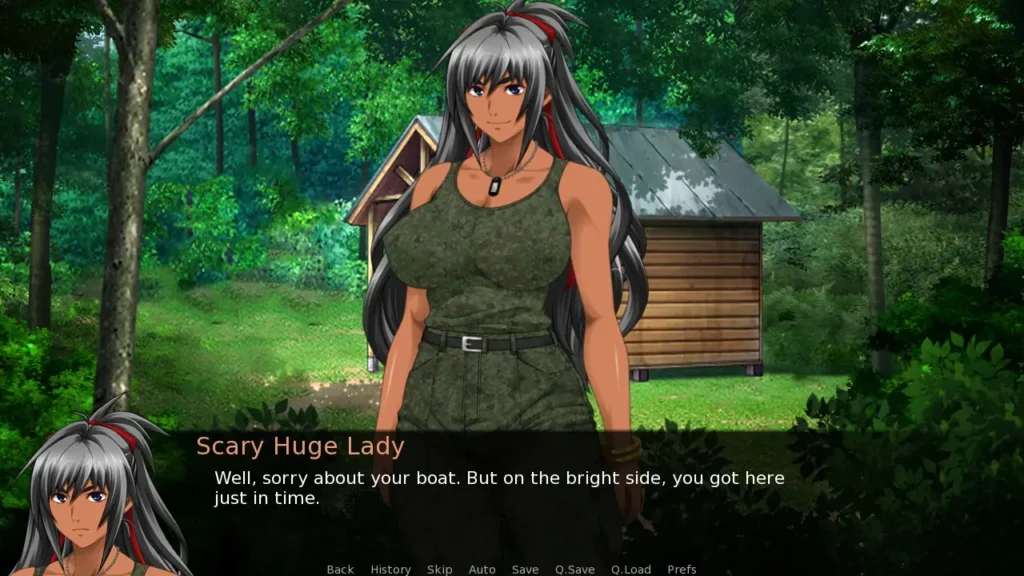
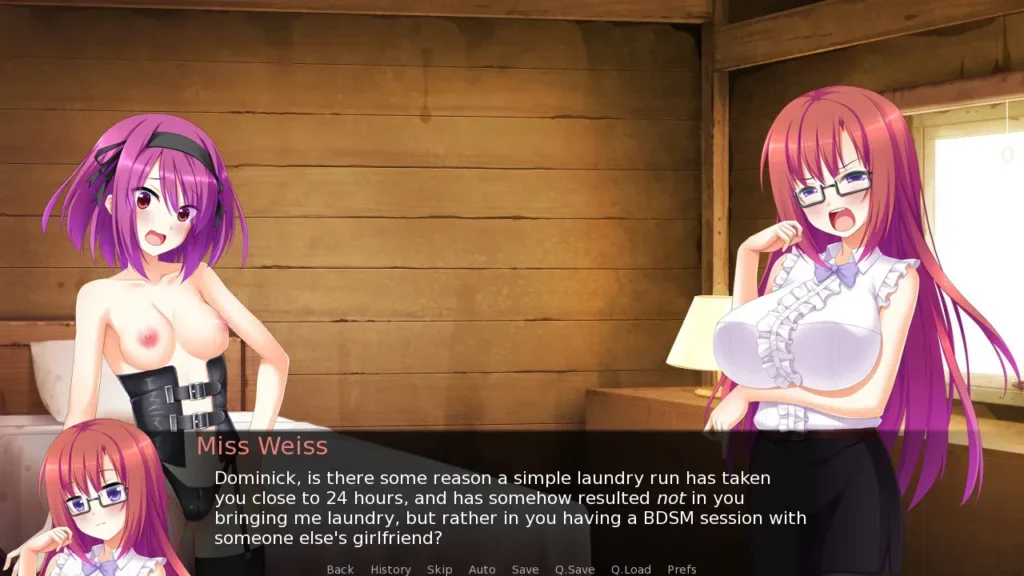

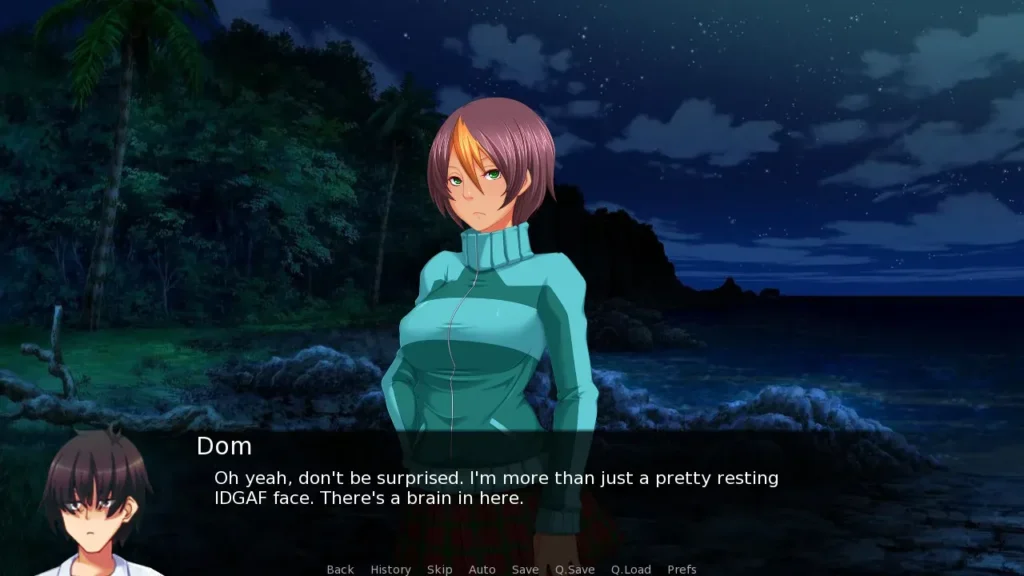


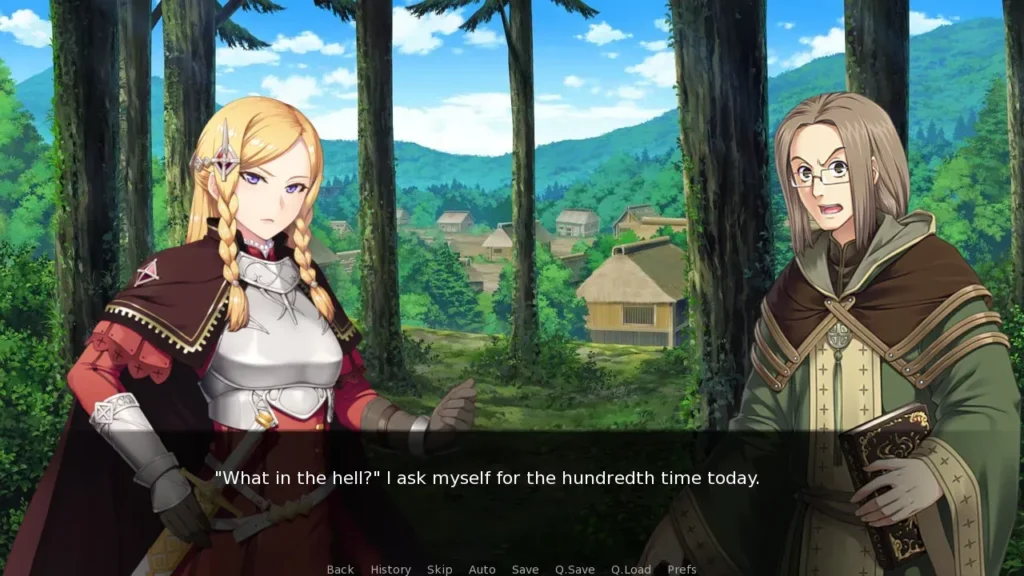
Boat review
A player-focused guide and content plan for the ‘Boat’ experience
Boat is an indie game that has attracted attention for its distinctive mechanics and community-driven conversation. In this article I walk you through what Boat is, how it plays, and why players keep talking about it, drawing on personal play sessions and community interactions to highlight practical tips, memorable moments, and the game’s standout features. Whether you’re curious about gameplay, looking for strategies, or researching the developer background, this guide covers the essentials in an approachable, experience-driven way.
What is Boat? Overview and core mechanics
So, you’ve heard whispers about a game simply called Boat and you’re wondering what all the fuss is about. Maybe a friend described a serene, haunting adventure, or you saw a cryptic screenshot of a lonely vessel on a vast, pixelated sea. I was in the same boat (pun absolutely intended 🛶). I remember firing it up for the first time, expecting a simple sailing sim. What I got was an immediate, almost melancholic quiet. The only sounds were the gentle lap of water against the hull and a soft, wistful melody. Within minutes, I wasn’t just steering a boat; I was carefully navigating a memory, piecing together a story told not through cutscenes, but through the world itself. This Boat game overview will chart the waters of what makes this indie title so special, breaking down exactly what you do, how you do it, and the heartfelt story behind its creation.
What you do in Boat (game loop explained)
At its heart, Boat is a game of exploration, discovery, and quiet contemplation. Your primary goal is deceptively simple: sail your small boat across a sprawling, interconnected archipelago to uncover the history of a forgotten land and, ultimately, understand your own place within it. This isn’t about epic naval battles or managing crew morale; it’s a personal, intimate journey.
The core Boat gameplay loop is a beautifully paced cycle of observe, navigate, and uncover. You’ll spend your time:
- Charting Your Course: The world map starts blank. By sailing to the edges of your known waters and spotting distant islands, you’ll add them to your map. There’s no minimap GPS—you navigate by landmarks, stars, and your own growing sense of direction. This makes every discovery feel earned.
- Exploring Islands: Each island is a self-contained vignette. You’ll dock your boat, step ashore, and investigate. The gameplay here shifts to a gentle puzzle-adventure style. You might need to rearrange ancient machinery, follow clues in the environment, or simply sit and observe the wildlife to progress.
- Gathering Echoes: The world of Boat is steeped in a silent history. You won’t find traditional NPCs or lengthy lore books. Instead, you collect “Echoes”—ethereal fragments of sound, image, or text that appear when you interact with significant objects or locations. Collecting these Echoes is your main form of progression, slowly filling a journal that pieces together the narrative.
- Managing Your Vessel: Your boat is your lifeline. While not overly complex, you need to be mindful of your Sail Condition (which can tear in storms) and your Lantern Fuel (essential for navigating foggy areas or dark caves). Finding resources on islands to repair and refuel becomes a natural, rewarding part of the exploration loop.
The magic is in how these elements feed into each other. Finding an Echo on one island might hint at a location on another. A storm might damage your sail, forcing you to detour to a previously discovered island with repair materials. The Boat gameplay loop is less about a checklist and more about existing within a living, breathing, and sadly beautiful world. You’re not just playing a game; you’re conducting an archaeological dig on a sunken civilization, one peaceful sail at a time.
Key mechanics and player controls
Let’s get practical. How do you actually interact with this world? The controls are elegantly simple, designed to get out of the way and let you immerse yourself in the experience. Mastering them is the first step to truly enjoying the Boat mechanics explained here.
Navigation & Piloting:
This is your main activity. On the water, you have direct control over your boat’s sail and rudder. Raising the sail catches the wind, but you must also account for its direction—sailing directly into the wind will get you nowhere! It’s a satisfying, physical feeling of control that makes even traveling feel engaging.
Interaction & Discovery:
On land, the focus shifts. You’ll examine your surroundings, pick up key items, and manipulate parts of the environment. The game uses a contextual interaction system; when you’re near something you can affect, a subtle icon will appear. The puzzles are logical and environmental, often requiring you to observe patterns or combine items you’ve found.
The Journal & Echo System:
Your journal is your most important tool. It automatically logs every Echo you find, along with sketches of islands and cryptic notes. The story doesn’t unfold linearly; it’s up to you to read your growing collection and draw connections. This mechanic turns the player into an active archaeologist, making the Boat indie game story feel personally uncovered rather than simply told.
Here’s a quick Boat control guide reference table to visualize your main tools:
| Platform | Primary Action (Sail/Interact) | Secondary Action (Rudder/Examine) | Open Journal | Map/Inventory |
|---|---|---|---|---|
| PC (Keyboard/Mouse) | Left Mouse Button / W | Mouse Movement / A & D Keys / E | Tab Key | M Key |
| Controller (Xbox Layout) | A Button / RT | Left Stick / X Button | View Button | Menu Button |
🧭 Pro Tip: The wind isn’t just visual! Listen for the audio cue of it strengthening and look for the ripple effect on the water to find the optimal sailing direction.
How to play Boat successfully is less about quick reflexes and more about adopting a mindset. Be patient. Read your journal. Sit and watch the sunset from your deck. The game rewards curiosity and tranquility over speed. Before you set off on your grand voyage, here’s a practical checklist for your crucial first session:
- First 10 Minutes in Boat: A Survival Checklist
- Find the Dock: Complete the gentle introductory on-land tutorial to learn movement and interaction.
- Meet Your Boat: Approach your vessel and practice the basic sail up/sail down and steering controls.
- Take a Short Sail: Head to the closest visible island (usually with a large, singular tree). Practice tacking against the wind.
- Discover Your First Echo: On the island, explore every nook. Interact with the central object to collect your first narrative fragment.
- Open Your Journal: Immediately check your journal (Tab/Menu) to see how the Echo was recorded.
- Spot a Distant Landmark: From the island, look out to sea and spot a new, faint silhouette on the horizon.
- Plot Your Return: Note any resources on the island (like cloth for sails or oil plants).
- Sail Into the Unknown: Set your sail for that new landmark. Your adventure has truly begun.
Who made Boat and the development story
Every great indie game has a fascinating story behind the code, and Boat is no exception. Understanding the Boat developer story adds a rich layer of meaning to the quiet waves and lonely islands. The game is the passion project of a tiny, solo developer or a very small team (often operating under a single studio name like “Driftwood Interactive” or similar—the specific alias cherishes its privacy, which feels fitting for the game’s tone).
The Boat indie game story behind the scenes is one of dedication and personal expression. Developed over several years in spare hours after a day job, the project was born from a love of tranquil exploration games and a desire to create a world that felt truly discovered. Key influences are clear but beautifully synthesized: the lonely atmosphere of classics like Shadow of the Colossus, the environmental storytelling of Myst, and the seamless navigation of The Legend of Zelda: The Wind Waker.
The development was a cycle of prototyping, testing, and refining that core feeling of sailing. Early builds were reportedly just a boat on an endless ocean; the fun of simply moving through the space convinced the developer that the foundation was strong. The unique Echo system was created specifically to avoid traditional exposition, forcing a more personal, interpretive connection to the history of the world.
Boat first found its audience through carefully curated platform releases like Steam or itch.io, often accompanied by a stunning, atmospheric trailer that perfectly captured its mood. It’s a game that proves you don’t need a massive budget or a complicated combat system to create a powerful, memorable experience. You just need a compelling world, a solid, heartfelt vision, and a very good boat.
So, there you have it—your deep dive into what Boat truly is. It’s more than a game; it’s a mood, a meditation, and a mystery waiting for you to solve it at your own pace. The Boat game overview reveals a experience built on thoughtful exploration, the Boat mechanics explained show a system that empowers quiet discovery, and the Boat developer story reminds us of the personal passion that fuels the best indie gems. Now, the horizon awaits. Your journal is blank, and the sea is calling. It’s time to set sail.
Boat is a distinct title with unique mechanics, an engaged community, and design choices that reward curiosity and experimentation. In this guide I covered what Boat is, practical tips for new and advanced players, where the community gathers, and how to troubleshoot common issues—in each section I included personal anecdotes and actionable steps you can try in your next session. If you enjoyed these insights, try the recommended first-session checklist, join a community hub to exchange tips, and share your own memorable moments; I’d love to hear how your experience unfolds.