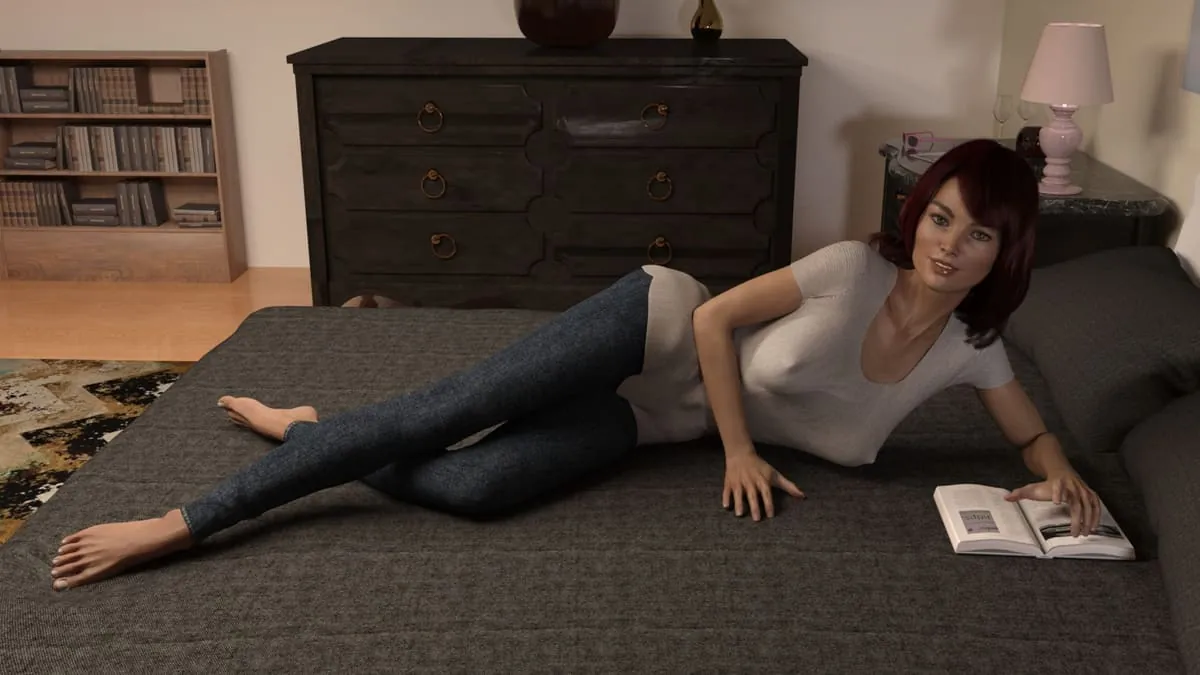
Play Bad Memories
Bad Memories Screenshots
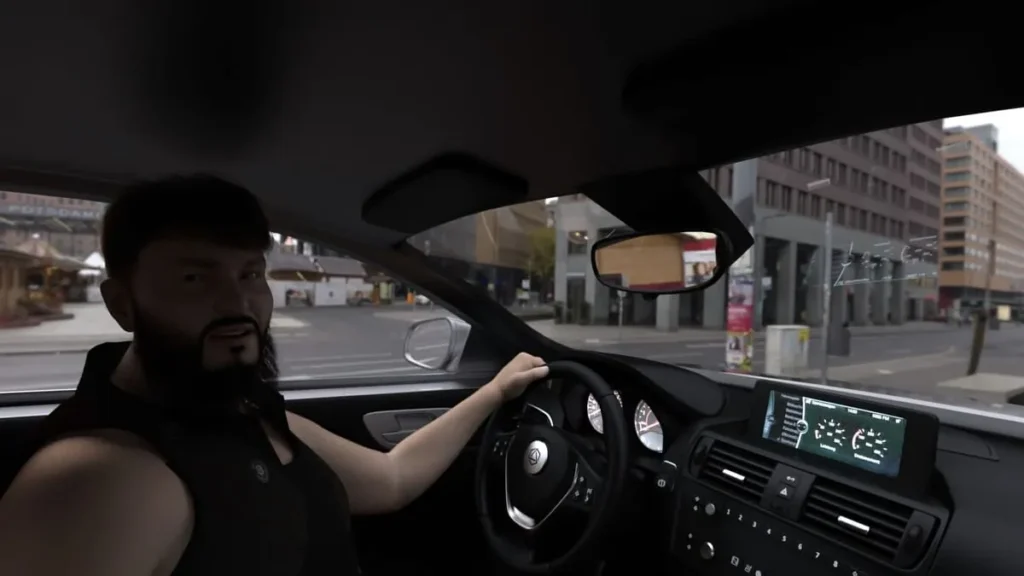
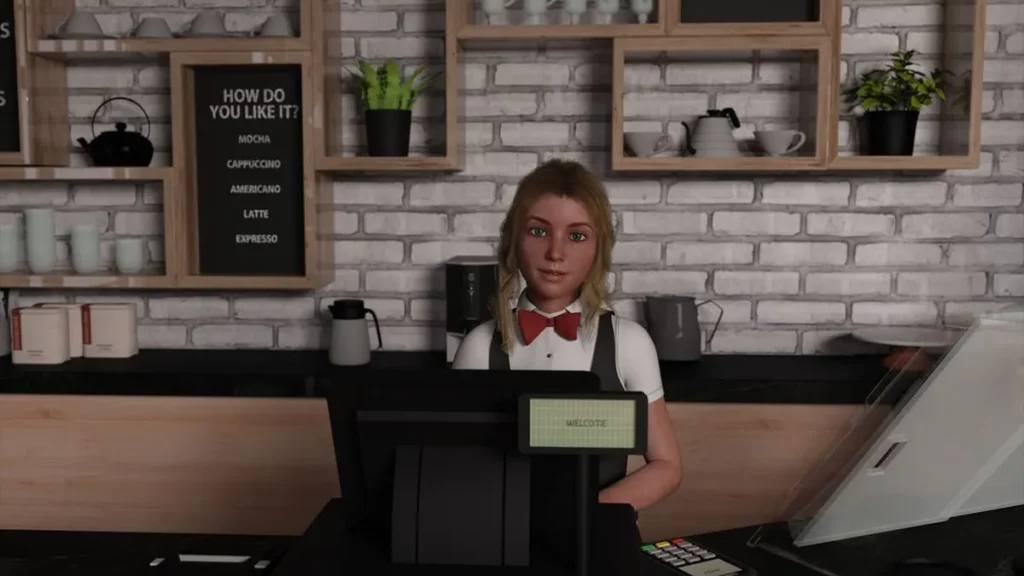

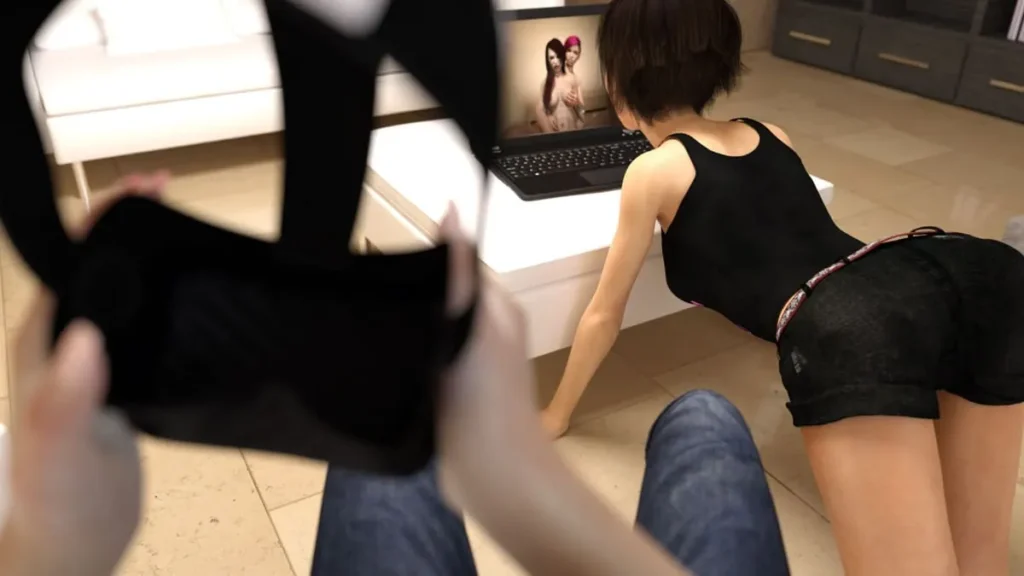


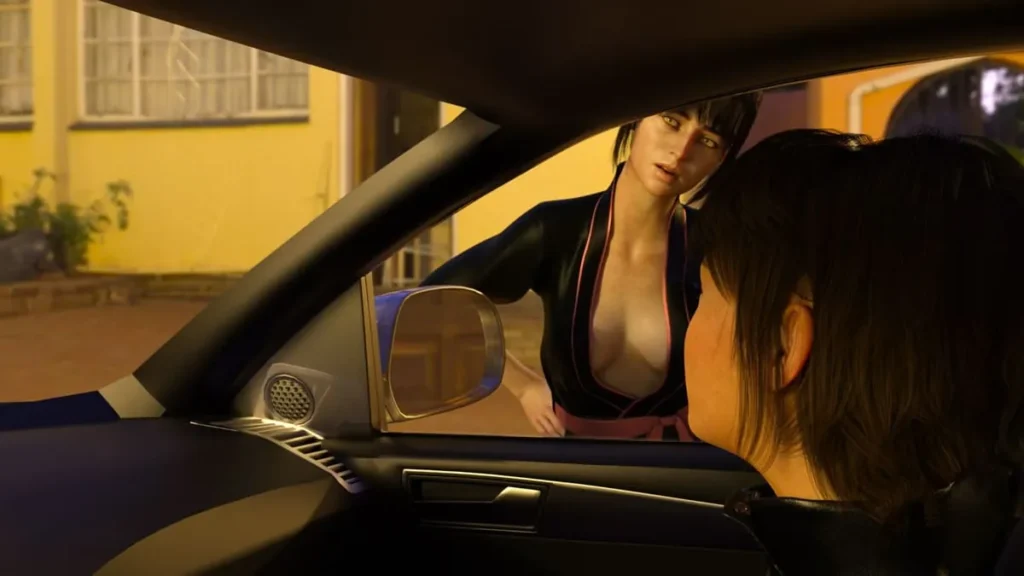

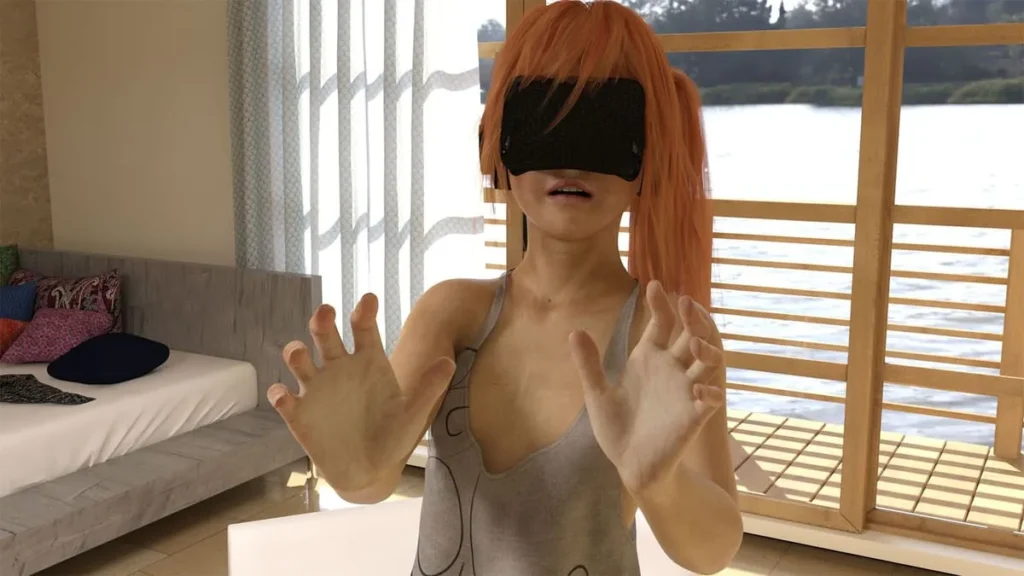
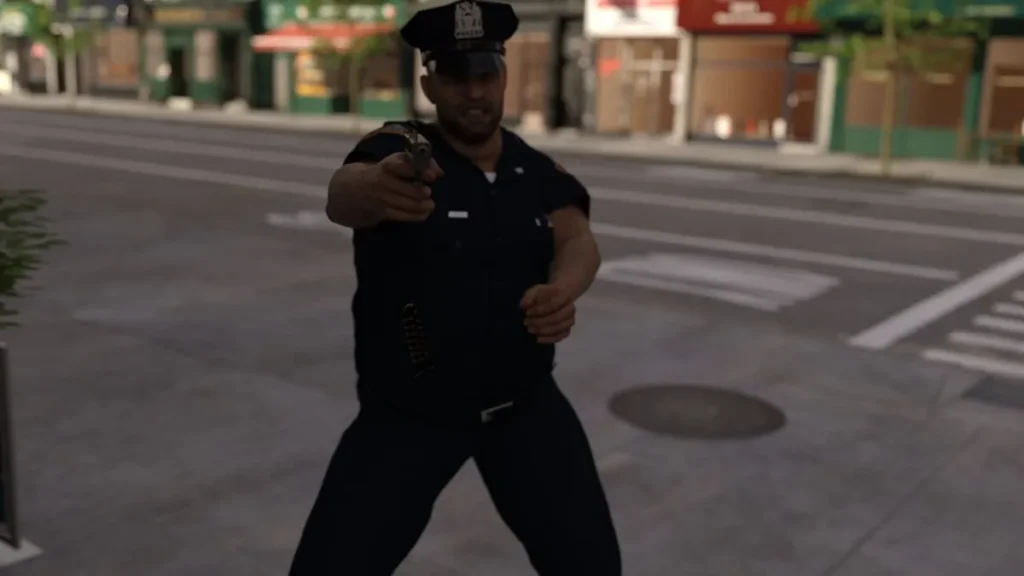
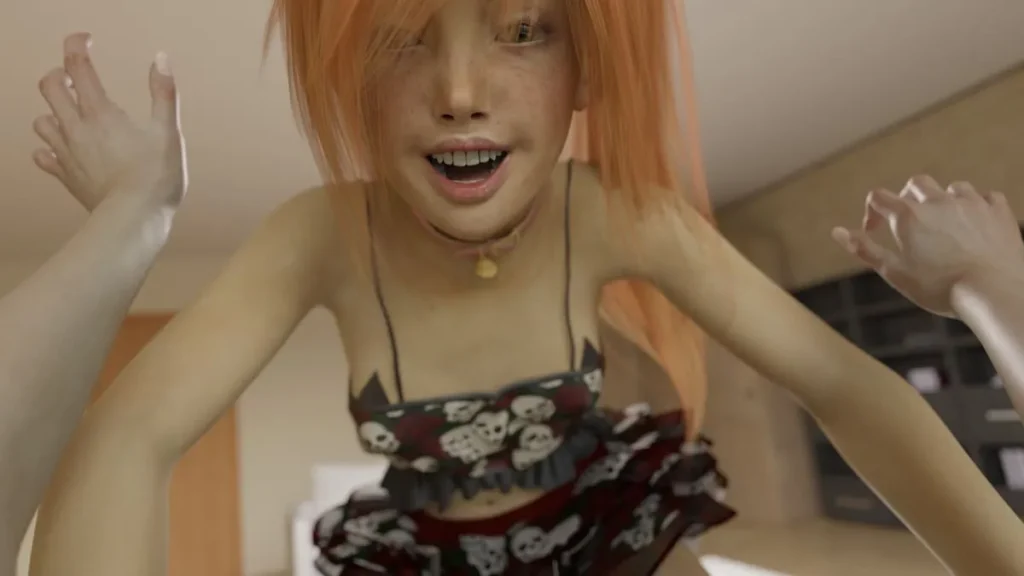
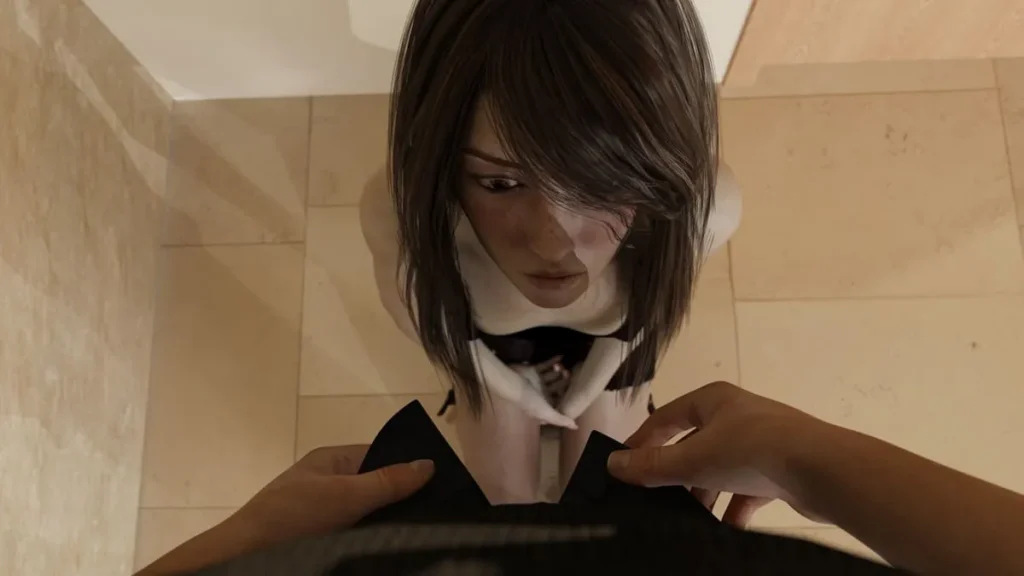


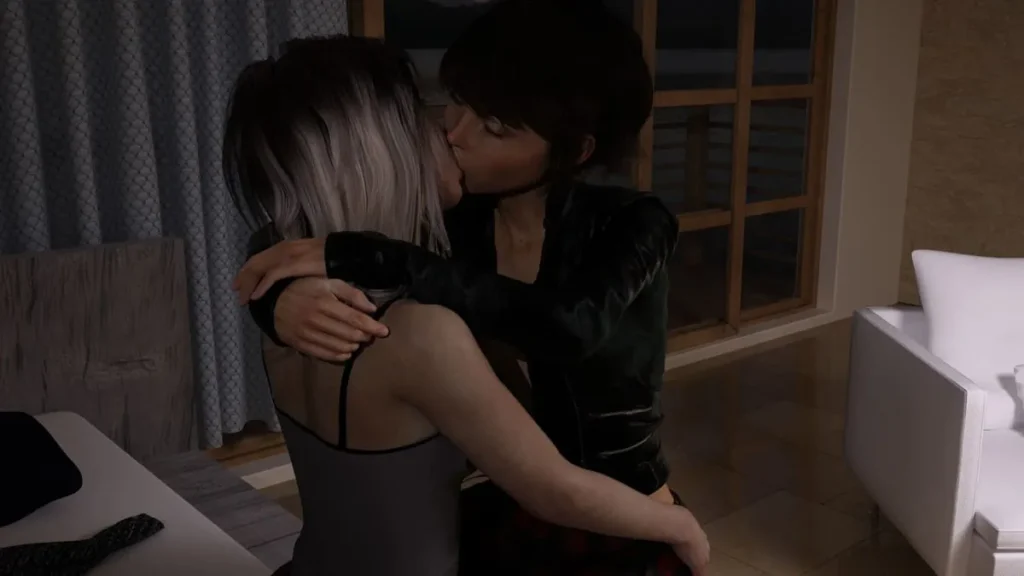

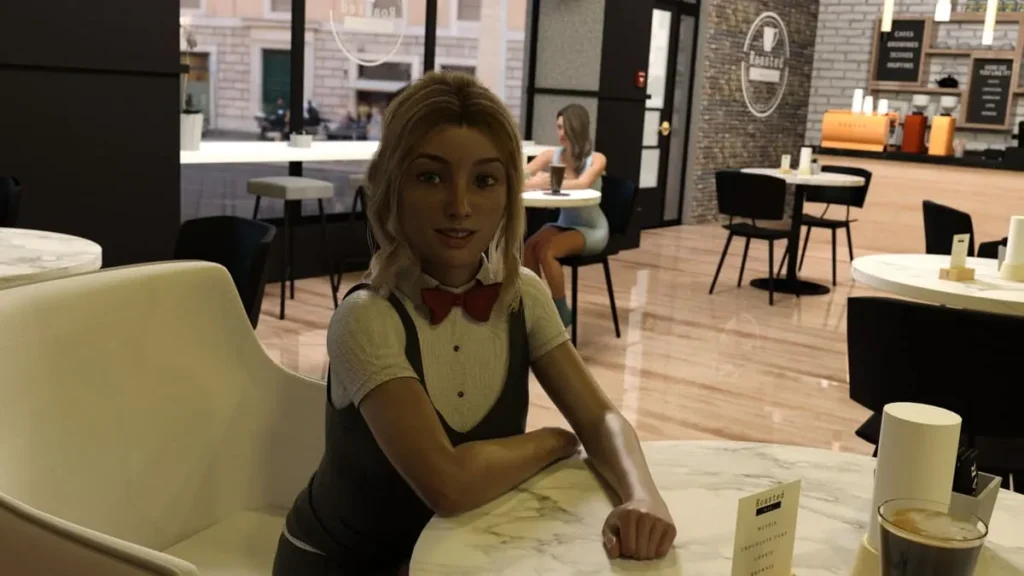
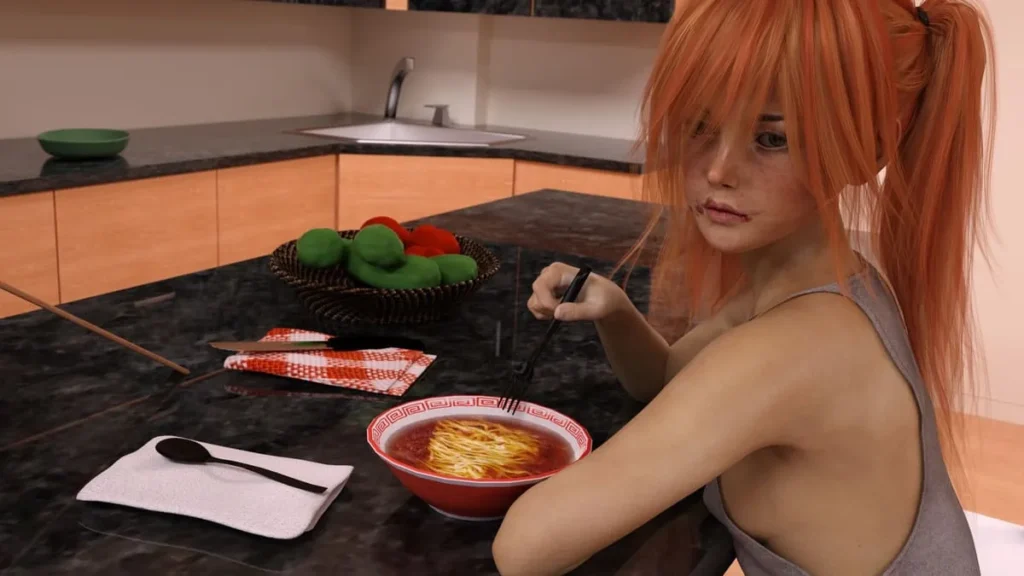

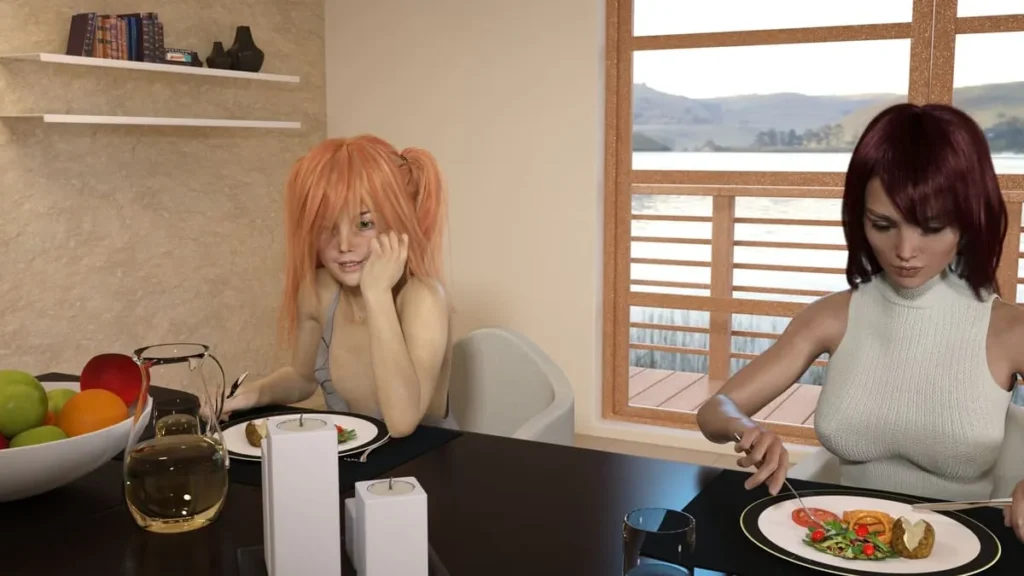
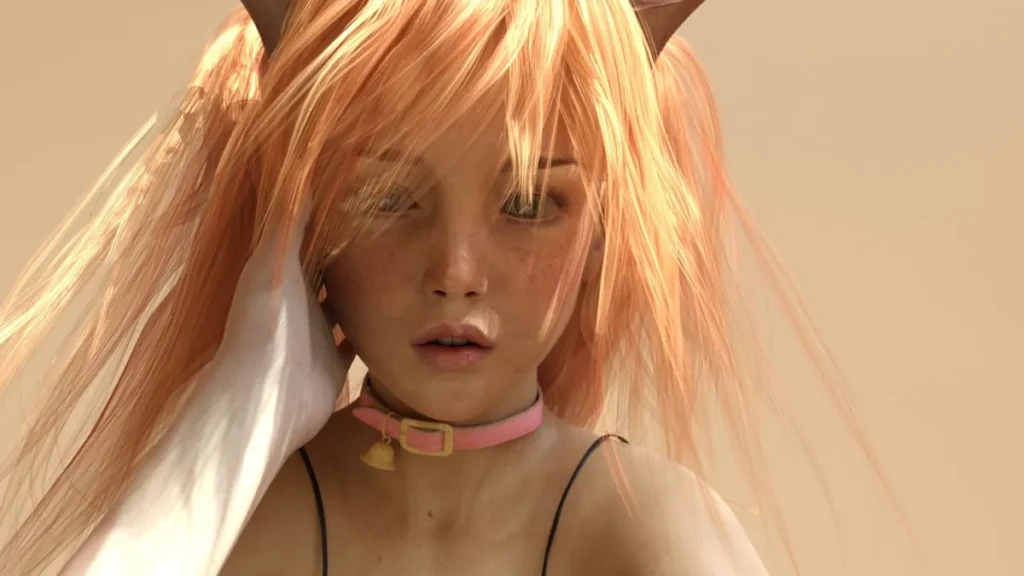
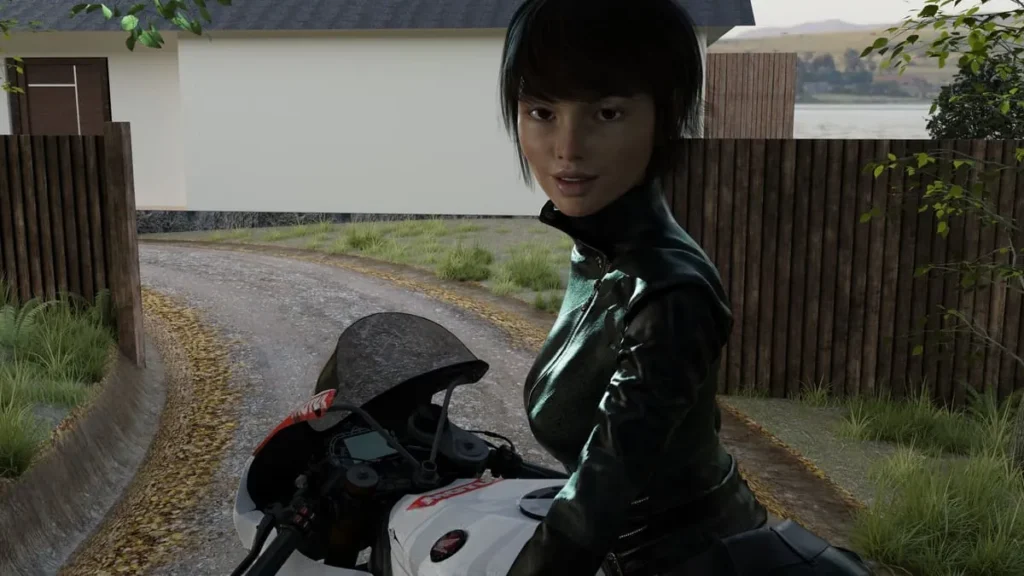

Bad Memories review
Explore the Story, Characters, and Gameplay of Bad Memories Visual Novel
Bad Memories is a story-driven visual novel game that immerses players in a rich narrative where choices shape the experience. Whether playing as a male or female protagonist, the game explores complex themes through engaging storytelling and character interactions. This article dives deep into the game’s unique features, character dynamics, and practical tips to navigate its branching paths, making it a must-read for players looking to get the most out of Bad Memories.
Understanding Bad Memories: Story and Characters
Have you ever had a memory so vivid it felt more real than the present? Or woken up with a feeling of dread you can’t quite place? That’s the unsettling, beautiful space where the Bad Memories visual novel lives. It’s not just a game you play; it’s an experience you navigate, a puzzle of the heart and mind where every recovered fragment changes everything you think you know. 🧩
Let’s pull back the curtain on this compelling narrative. Whether you’re considering your first playthrough or you’re a veteran looking to dive deeper, this guide will explore the emotional core, the pivotal Bad Memories characters, and the profound visual novel memory theme that makes this game unforgettable.
What is the Core Storyline of Bad Memories?
At its heart, the Bad Memories storyline is a masterful exploration of identity, trauma, and the fragile nature of truth. You don’t just watch a story unfold—you actively piece it together from the inside out. The premise is deceptively simple yet deeply powerful: you awake in a strange, yet familiar, apartment with significant gaps in your memory. The world feels off-kilter, haunted by echoes of conversations and flashes of events you can’t fully grasp.
Your journey is one of reconstruction. 🏚️✨ Through interactions with others and exploration of your environment, you’ll trigger memories. These aren’t simple cutscenes; they are emotional revelations that can contradict what you’ve previously believed or been told. A major strength of the Bad Memories storyline is its non-linear approach. You might recall a tender moment with someone in one chapter, only to discover a bitter argument about the same event later. This directly immerses you in the protagonist’s confusion, making every discovery feel personal and consequential.
The central question isn’t just “What happened?” but “Who am I, based on what I’ve done and what’s been done to me?” The game brilliantly uses its mechanics to mirror its themes. Your choices in dialogue and action don’t just lead to different endings; they determine which memories you access and, therefore, which version of the truth you uncover. It’s a narrative where your perception is the ultimate puzzle.
Pro Tip: Don’t rush through conversations. The most trivial-seeming line of dialogue can be the key that unlocks a pivotal memory, completely altering your understanding of a character or event.
Playable Characters and Their Perspectives
One of the most groundbreaking choices in Bad Memories is who you get to be. Right from the start, you choose your lens into this fractured world: will you see it through the eyes of the Bad Memories male protagonist or the Bad Memories female protagonist? This isn’t a cosmetic change—it’s a fundamental shift in narrative perspective and emotional journey.
Playing as the Bad Memories male protagonist offers a specific, poignant experience. His lost memories often revolve around themes of responsibility, unresolved conflict, and a deep-seated anxiety about failing those he cares about. His relationships feel charged with a history of things unsaid and promises potentially broken. Your path with him feels like a quest for redemption, or at least understanding, as you grapple with the man you might have been. 😔➡️🕵️♂️
Choosing the Bad Memories female protagonist, however, opens a different but equally rich emotional landscape. Her story frequently engages with themes of agency, self-discovery, and the weight of emotional labor in relationships. The memories you uncover often focus on personal ambition versus connection, and a struggle to assert her own identity within a shared past. Her journey feels more like a reclamation of self, piecing together who she is apart from who others remember.
Here’s my personal insight: I played the female route first and was deeply moved by her story of resilience. On my second playthrough as the male protagonist, I was shocked to see how the same events I thought I understood were framed by his guilt and fear. It literally changed the story’s villain! This dual-perspective design doesn’t just give you two games in one; it argues that there is no single, objective truth in shared history—only perspectives. This choice is the game’s most powerful feature, making the Bad Memories characters feel incredibly real and multifaceted.
Key Supporting Characters and Their Roles
While your protagonist is the vessel for the experience, the story is shaped by the people who orbit their life. The supporting cast in Bad Memories are far more than plot devices; they are living, breathing catalysts for memory and emotion. Your relationships with them are the mirrors in which your protagonist’s shattered self is reflected.
Two characters, in particular, are absolutely central to unravelling the mystery: Rachel and Ellie.
Bad Memories Rachel is often the first person you meaningfully connect with. She might be a partner, a close friend, or a sibling, depending on your chosen protagonist. Rachel represents the known past. She’s the one who holds stories about “you,” filling in blanks with her own narratives. 🗣️💭 Interacting with her is a constant dance between trust and doubt. Can you rely on her version of events, or is she, whether intentionally or not, guiding you toward a specific truth? She is the anchor to your old life, for better or worse.
On the other side is Bad Memories Ellie. If Rachel is the anchor, Ellie is the spark—often a newer presence in your life, or someone from the past who represents a different path. Ellie frequently symbolizes the unknown or the road not taken. She challenges the narratives you’re given, often prompting memories that conflict with the established story. She might be a source of comfort, a catalyst for change, or a symbol of a forgotten dream. Your dynamic with her forces the protagonist to question not just their past, but their present desires.
The genius of characters like Rachel and Ellie is that their roles aren’t fixed. Depending on your choices and recovered memories, your perception of who is “helping” or “hindering” you can flip entirely. This makes every interaction tense and meaningful.
To help you keep track of the complex web of relationships, here’s a breakdown of the core cast:
| Character | Role & Description | Primary Narrative Function |
|---|---|---|
| The Protagonist (Male/Female) | Your avatar, suffering from profound memory loss. Their personality is shaped by your choices and the memories you recover. | The vessel for player experience; their identity is the central mystery. |
| Rachel | A pivotal figure from the protagonist’s past (relationship varies). Often serves as the primary source of information about “how things were.” | Represents the established past and the potential for unreliable narration. A catalyst for comfort or conflict. |
| Ellie | A character connected to a different aspect of the protagonist’s life or identity. Often appears as a contrast to Rachel. | Challenges the status quo; prompts memories that question the accepted narrative. Symbolizes alternative paths. |
| Dr. Aris | A therapist or guide figure the protagonist occasionally consults. | Provides a framework for understanding memory and trauma; helps the player process discoveries. |
| Mysterious Figure | A shadowy presence that appears in fleeting memories and dreams. Identity is a major plot point. | Embodies the deepest layer of the memory trauma; the key to the core conflict. |
Ultimately, the Bad Memories characters all serve the brilliant visual novel memory theme. They are not just people, but repositories of feeling—some memories are safe with them, others are locked away because of them. Your journey through the Bad Memories storyline teaches a powerful lesson: we are not just the sum of our memories, but we are also the stories others hold about us. Reclaiming your past means navigating the delicate, often painful, space between those two truths. 🧠❤️🩹
The true ending you reach isn’t about a simple “good” or “bad” outcome. It’s about which truths you could bear to uncover, and what kind of self you choose to build from the pieces. And that makes all the difference.
Bad Memories offers a compelling visual novel experience that combines a deep, choice-driven narrative with memorable characters and immersive audiovisual elements. Whether you prefer playing as the male or female protagonist, the game invites you to explore complex relationships and uncover hidden layers of the story. By understanding the gameplay mechanics and appreciating the artistic design, players can fully enjoy what Bad Memories has to offer. Dive in and start shaping your own story today!